Engineered for humidity, hydration, and thriving bioactive ecosystems.
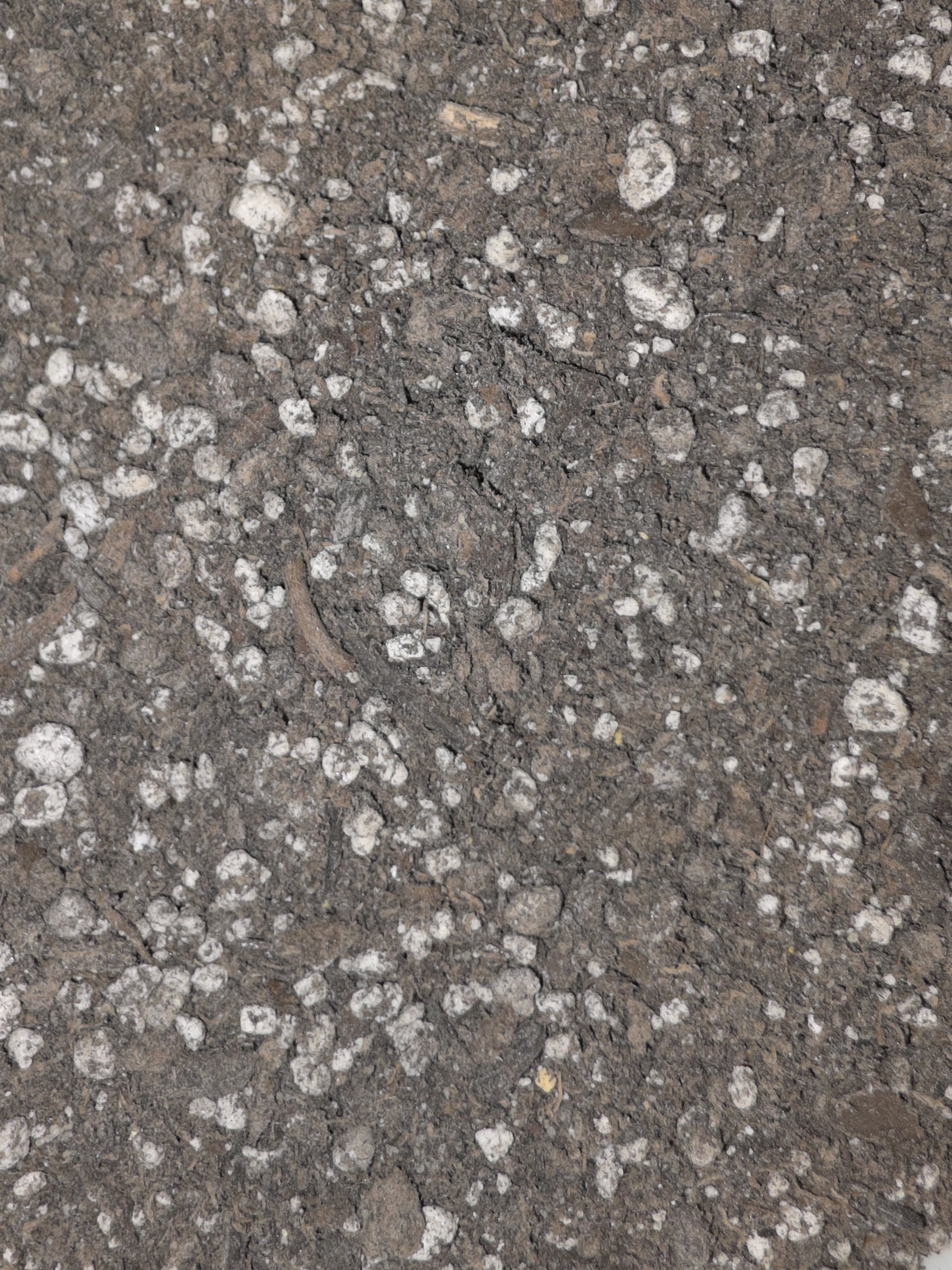
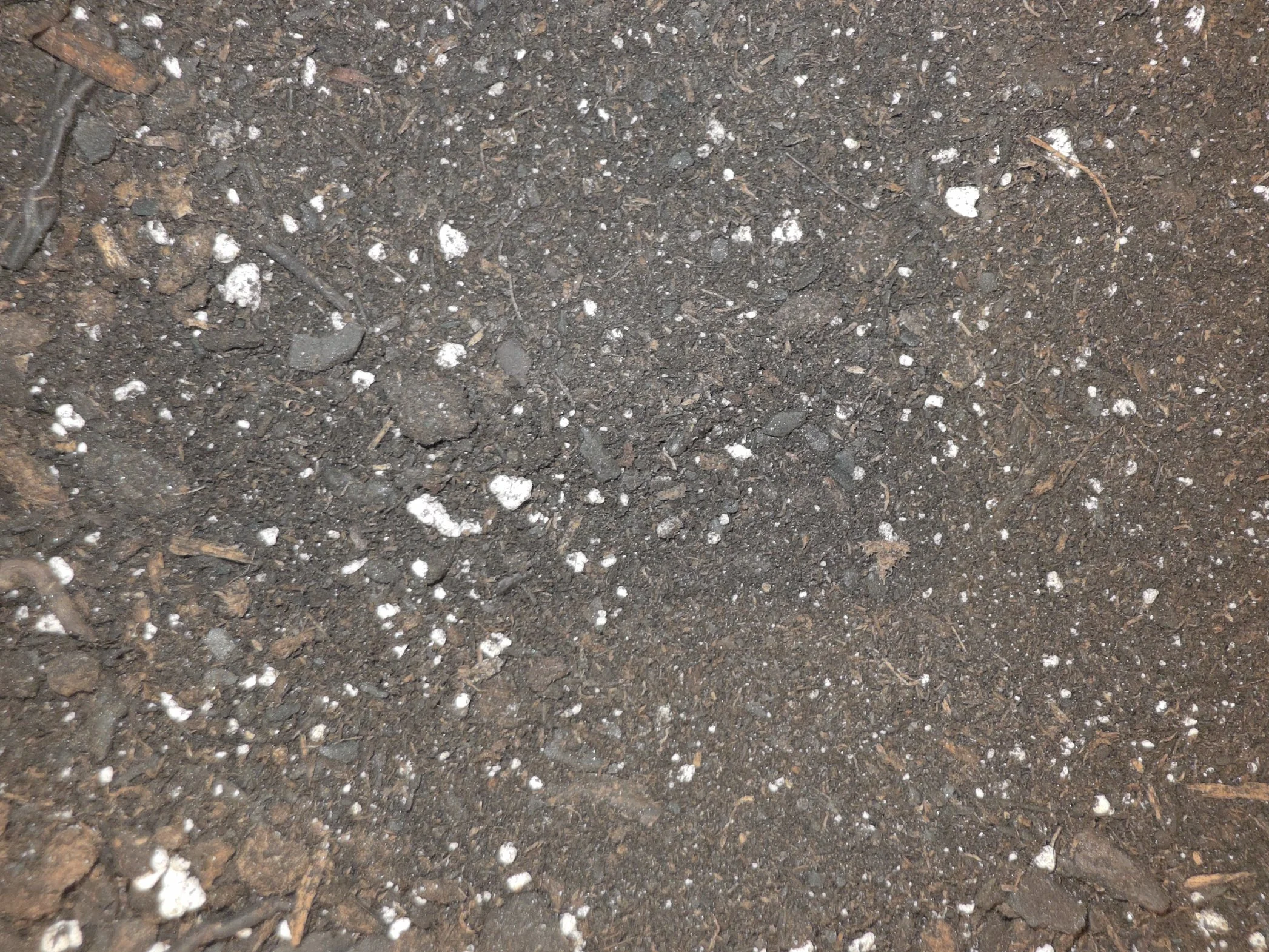
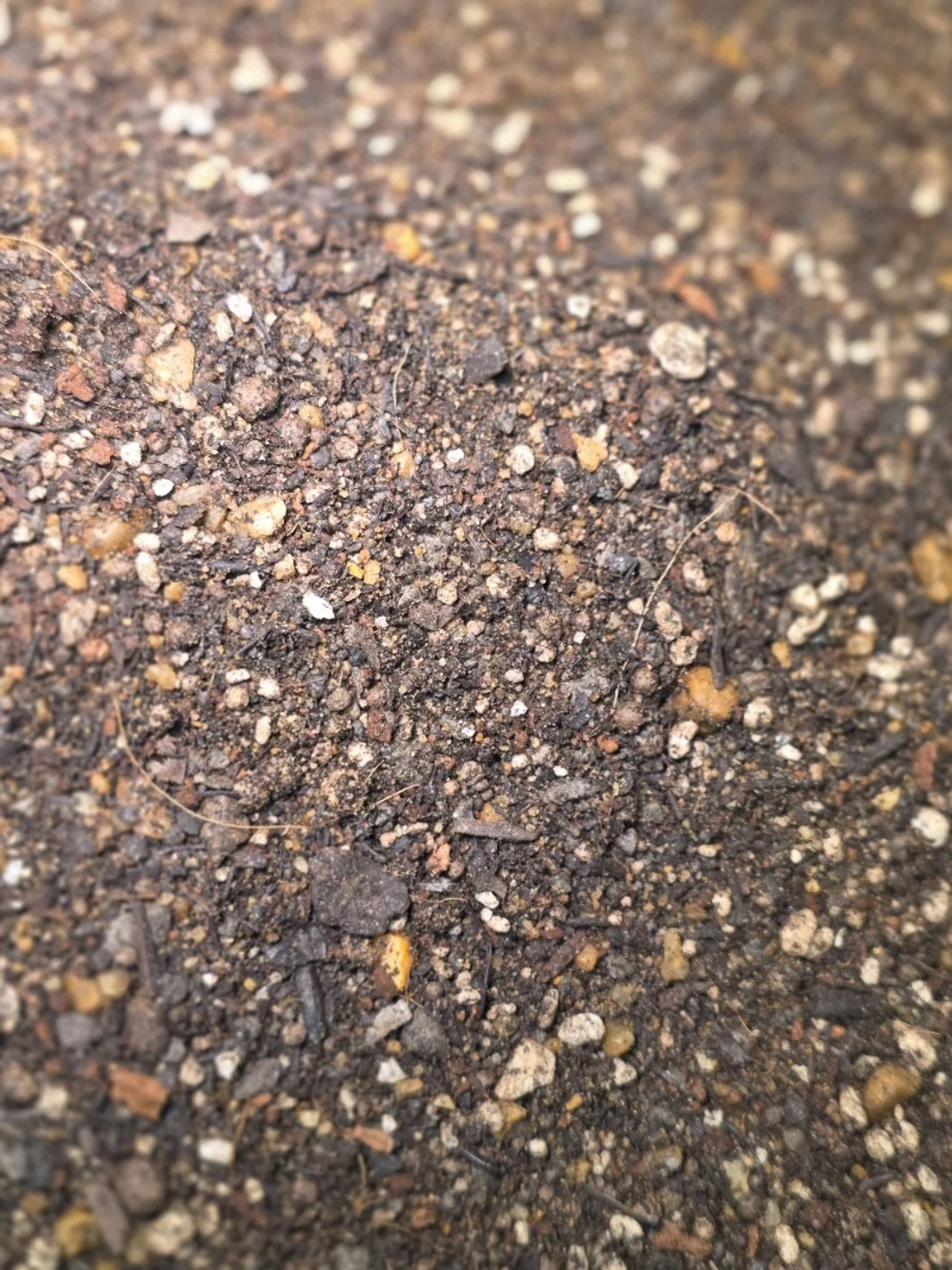
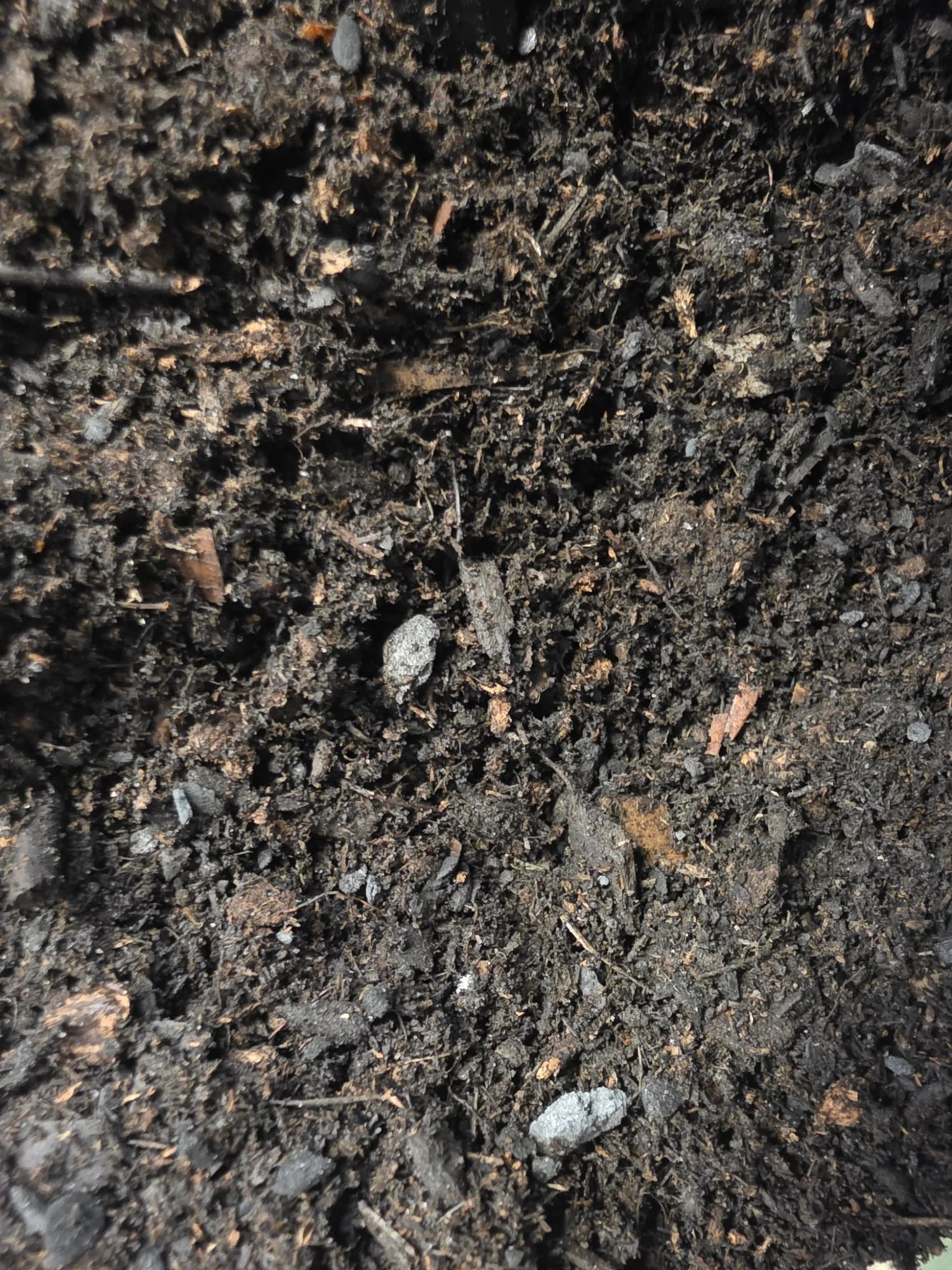
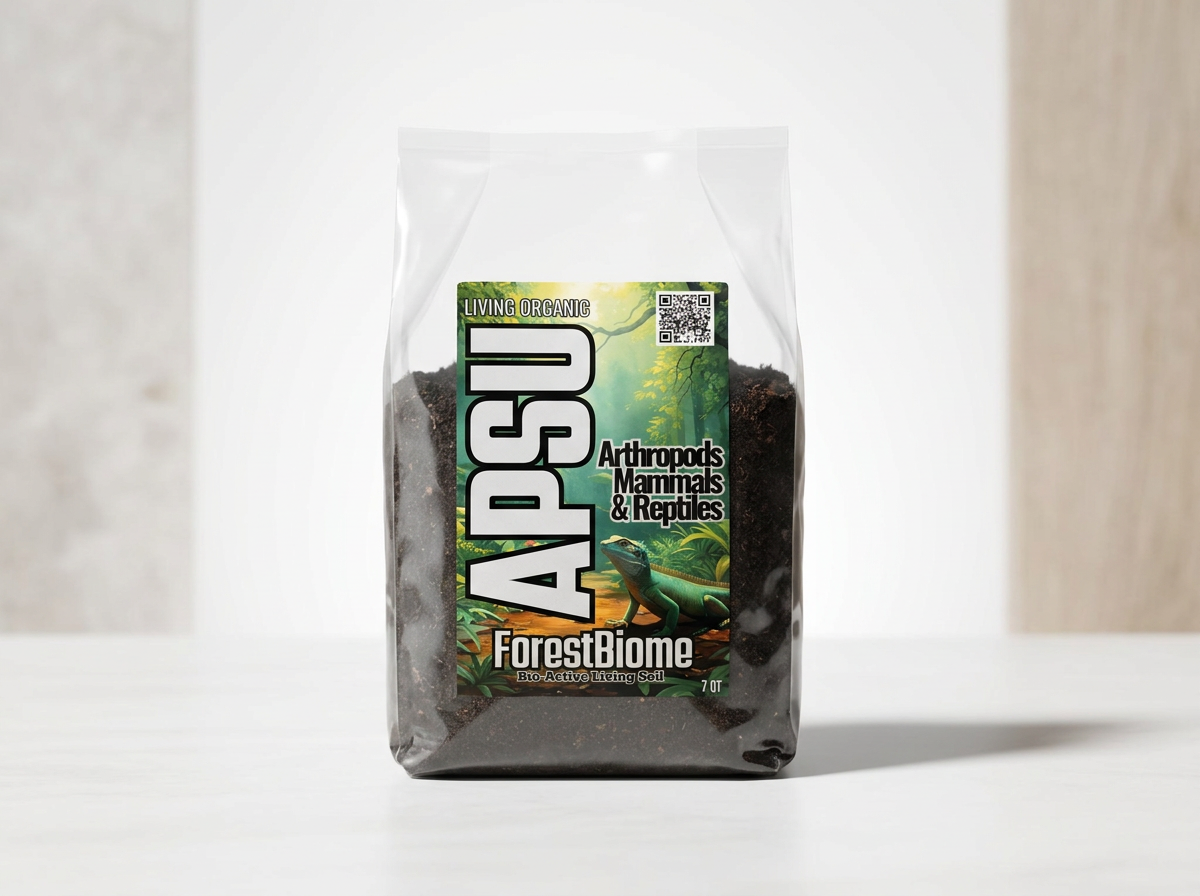
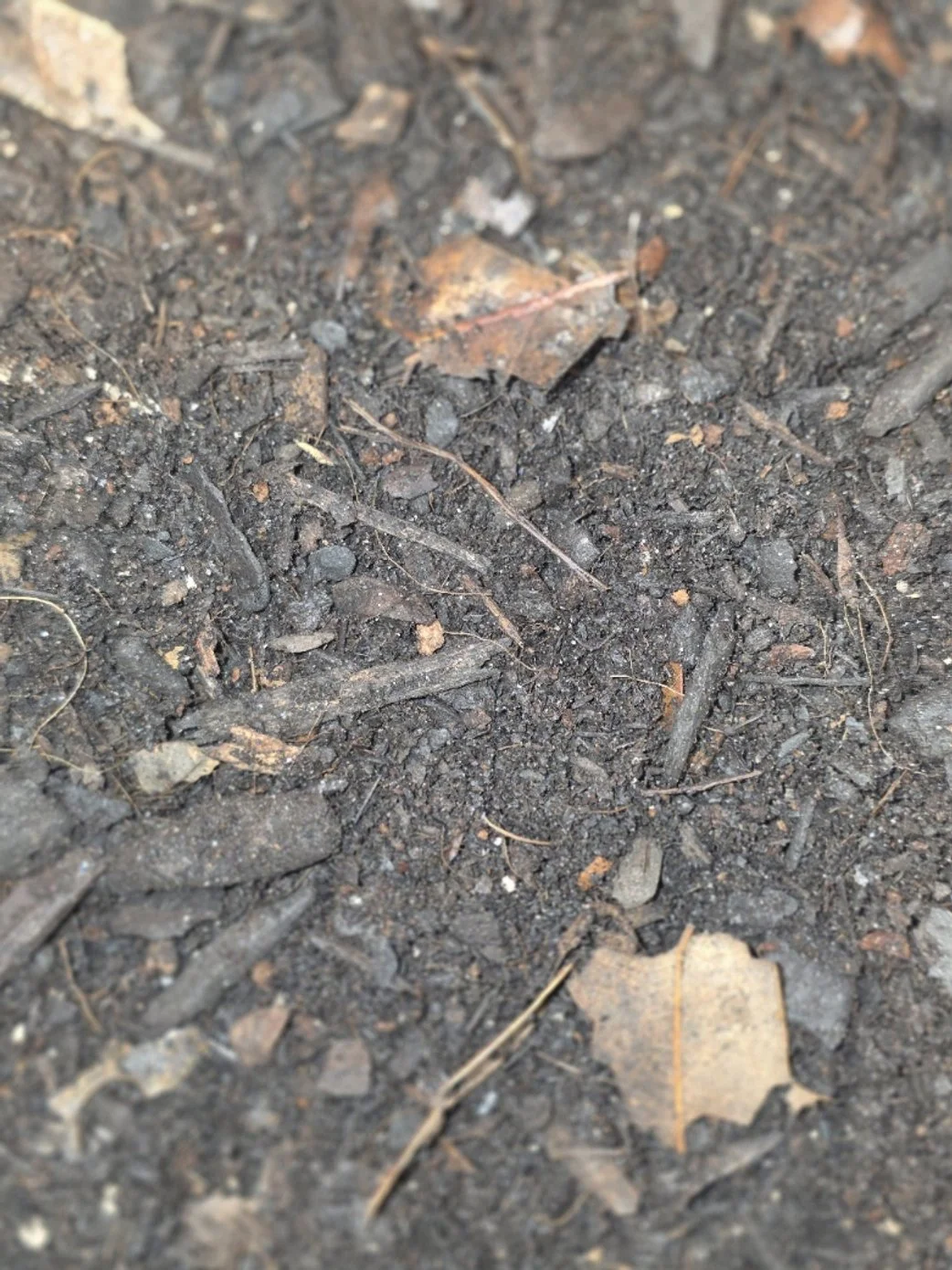
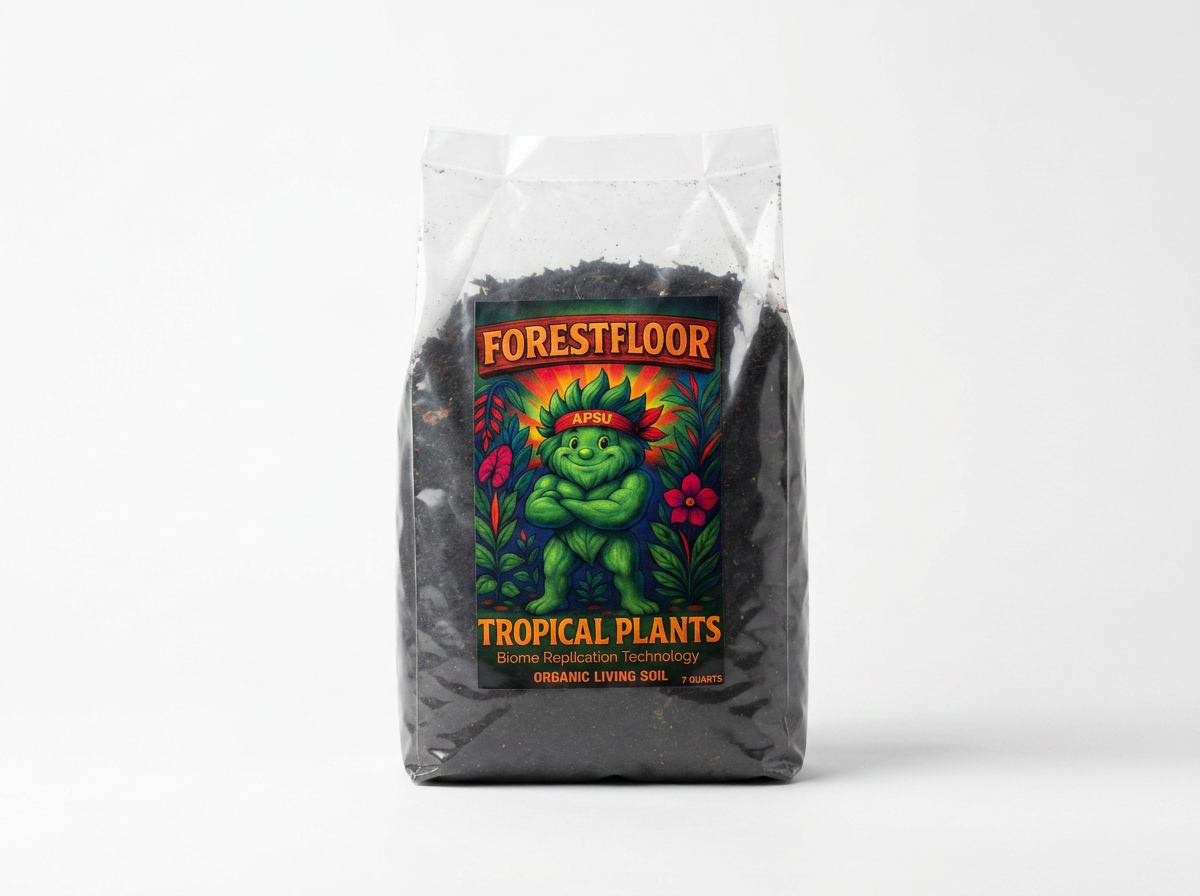
IslandBiome™ is a high-biology habitat soil engineered to recreate the humid, nutrient-cycling forest floors of tropical island rainforests. Designed for reptiles, amphibians, and invertebrates that thrive under sustained humidity, this substrate creates a living soil system that regulates moisture naturally.
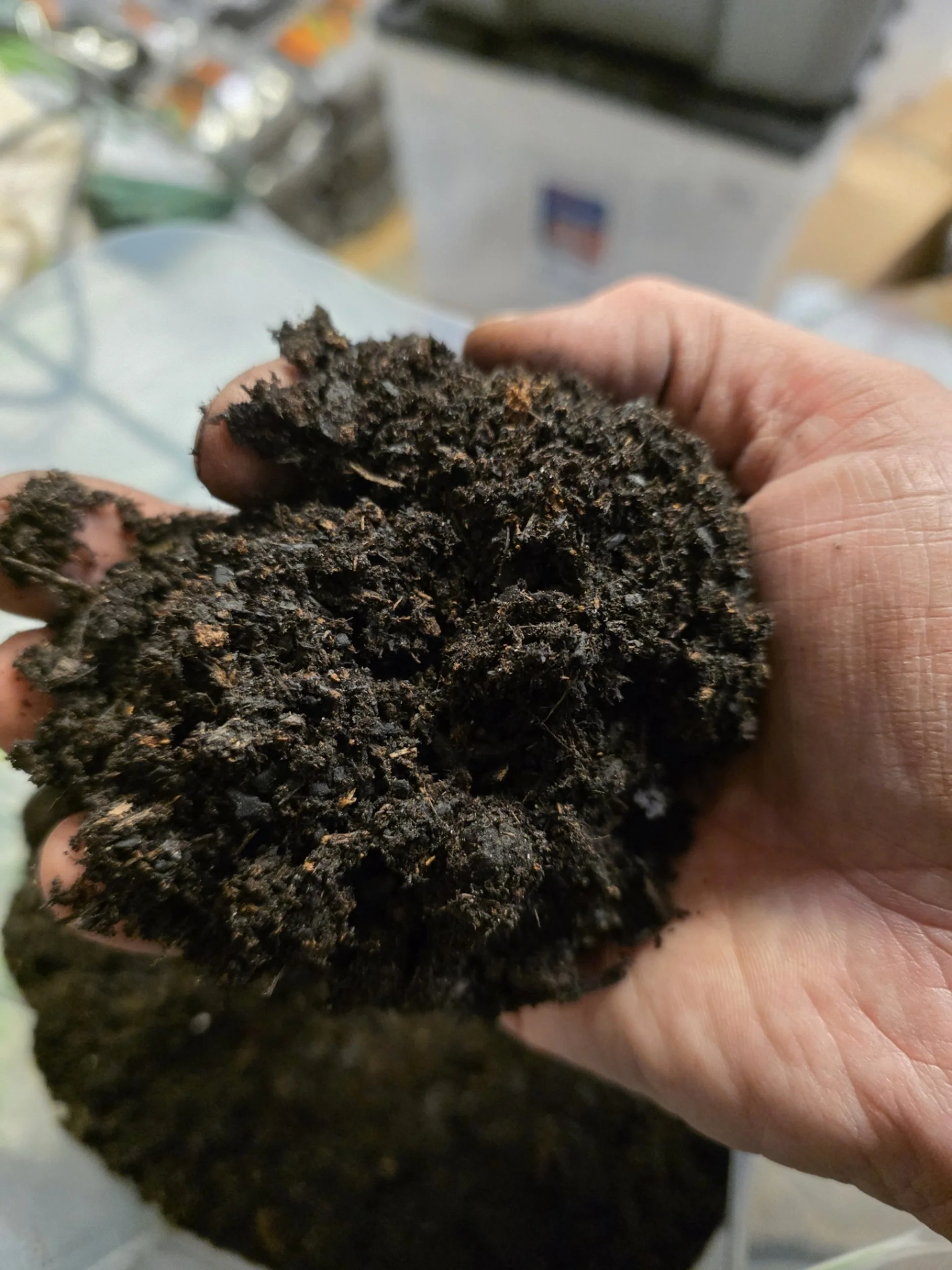
Unlike straight coco, peat, or generic tropical blends that oversaturate or collapse, IslandBiome™ maintains air-filled pore space even under constant hydration. Plant roots breathe. Microbes thrive. Clean-up crews function continuously.
Why It Works
• Water Retention – Hydrates evenly without anaerobic conditions
• Aeration – Coir and leaf litter prevent compaction
• Nutrient Cycling – Compost and biochar enable slow-release feeding
• pH Stability – Buffered minerals match tropical soil chemistry
• Microbial Ecology – Leaf mold fuels fungi and bacteria
Animals & insects
Green Anole, Crested Gecko, Day Gecko, Tokay Gecko, Knight Anole, Panther Chameleon, Veiled Chameleon, Marine Iguana, Blue Tongue Skink, Solomon Island Skink, Island Racer Snake, Curly-tailed Lizard, Tree Monitor, Bamboo Rat Snake, Mangrove Snake, Flying Fox, Tree Shrew, Coconut Crab, Hermit Crab, Fiddler Crab, Island Land Snails, Giant African Snail, Giant Millipede, Orb Weaver, Jumping Spider, Whip Spider, Ghost Ants, Bamboo Roaches, Banana Slug, Tropical Woodlice, Atlas Beetle, Longhorn Beetles
Plants
Banana, Plantain, Cacao, Coffee, Papaya, Mango, Guava, Lychee, Longan, Rambutan, Jackfruit, Breadfruit, Soursop, Starfruit, Sapodilla, Avocado, Coconut Palm, Betel Nut Palm, Areca Palm, Foxtail Palm, Bottle Palm, Traveler Palm, Royal Palm, Queen Palm, Fishtail Palm, Rattan Palm, Elephant Ear, Taro, Cassava, Yams, Arrowroot, Chayote, Breadnut, Sweet Potato, Sugarcane, Pineapple, Passionfruit, Dragonfruit, Granadilla, Black Pepper, Cinnamon, Nutmeg, Clove, Bay Leaf, Curry Leaf, Pandan, Galangal, Ginger, Blue Ginger, Turmeric, Cardamom, Vanilla, Allspice, Tamarind, Kokum, Langsat, Mangosteen, Durian, Ambarella, Malay Apple, Rose Apple, Jaboticaba, Loquat, Surinam Cherry, Acerola, Miracle Fruit, Ice Cream Bean, Mamey Sapote, Black Sapote, White Sapote, Canistel, Abiu, Nance, Cherimoya, Atemoya, Sugar Apple, Guarana, Kava, Betel Leaf Vine, Cocoa Plum, Mammee Apple, Spanish Lime, Ackee Tree, Monkey Pod Tree, Rain Tree, Tamarillo, Edible Hibiscus, Roselle, Sissoo Spinach, Okinawa Spinach, Malabar Spinach, Cranberry Hibiscus, Surinam Spinach, Tropical Amaranth, Telfairia Pumpkin, Water Apple, Mangrove Apple, Bilimbi, Sea Grape, Annatto, Golden Shower Tree, Flame Tree, Royal Poinciana, Frangipani, Ylang Ylang, Champaca, Gardenia, Jasmine, Torch Ginger, Heliconia, Bird of Paradise, Cordyline, Croton, Coleus, Fern Palm, Cycads, Bamboo, Banisteriopsis Caapi, Chacruna, Ayahuasca Vine, Passionflower, Dutchman’s Pipe Vine, Bromeliads, Philodendrons, Monstera, Anthuriums, Alocasia, Caladium, Colocasia, Xanthosoma, Hawaiian Ti, Costus, Brazilian Spinach, Malabar Chestnut, Money Tree
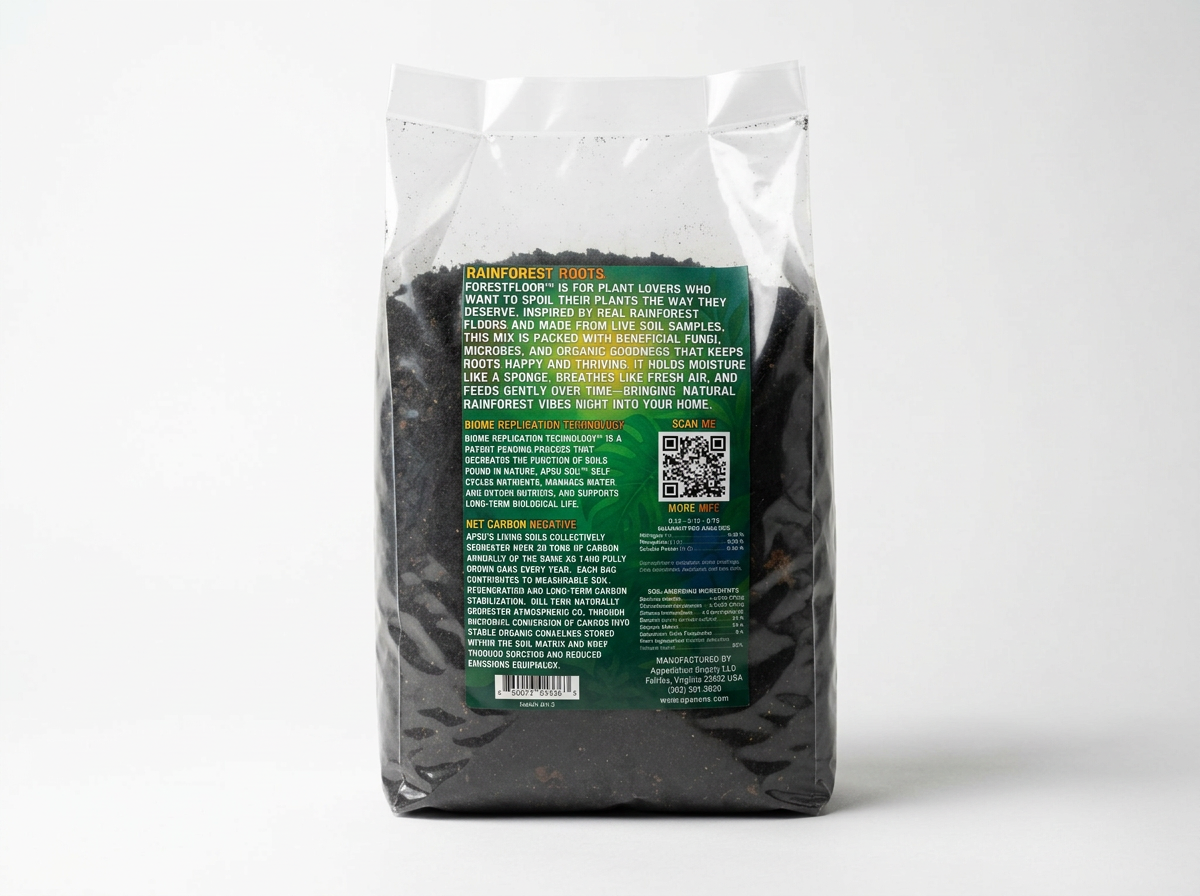
Biome Replication Technology™
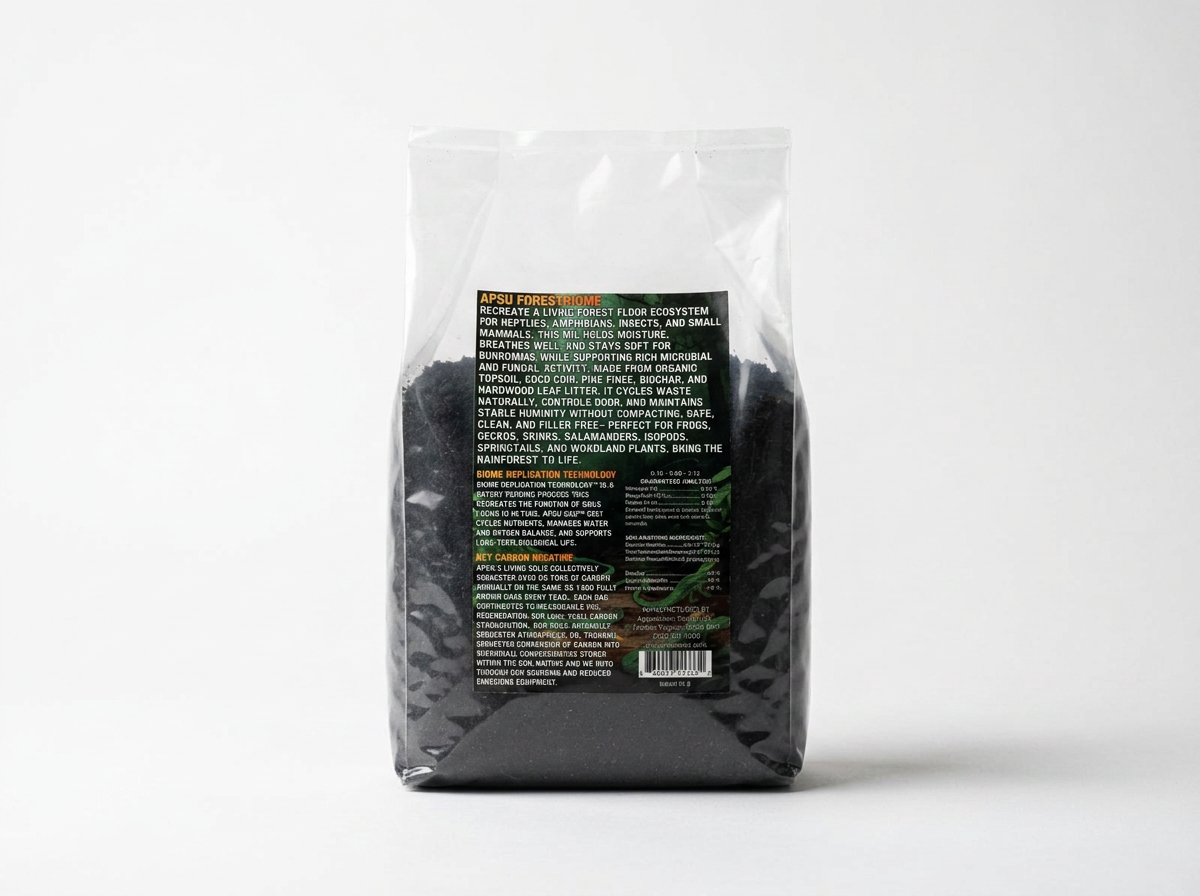
APSU Soil™ rebuilds soil systems rather than selling inert substrate. IslandBiome™ replicates real hydration cycles, pore structure, microbial exchange, and organic turnover — creating a rainforest floor that stays alive.
Engineered for humidity, hydration, and thriving bioactive ecosystems.
IslandBiome™ is a high-biology habitat soil engineered to recreate the humid, nutrient-cycling forest floors of tropical island rainforests. Designed for reptiles, amphibians, and invertebrates that thrive under sustained humidity, this substrate creates a living soil system that regulates moisture naturally.
Unlike straight coco, peat, or generic tropical blends that oversaturate or collapse, IslandBiome™ maintains air-filled pore space even under constant hydration. Plant roots breathe. Microbes thrive. Clean-up crews function continuously.
Why It Works
• Water Retention – Hydrates evenly without anaerobic conditions
• Aeration – Coir and leaf litter prevent compaction
• Nutrient Cycling – Compost and biochar enable slow-release feeding
• pH Stability – Buffered minerals match tropical soil chemistry
• Microbial Ecology – Leaf mold fuels fungi and bacteria
Animals & insects
Green Anole, Crested Gecko, Day Gecko, Tokay Gecko, Knight Anole, Panther Chameleon, Veiled Chameleon, Marine Iguana, Blue Tongue Skink, Solomon Island Skink, Island Racer Snake, Curly-tailed Lizard, Tree Monitor, Bamboo Rat Snake, Mangrove Snake, Flying Fox, Tree Shrew, Coconut Crab, Hermit Crab, Fiddler Crab, Island Land Snails, Giant African Snail, Giant Millipede, Orb Weaver, Jumping Spider, Whip Spider, Ghost Ants, Bamboo Roaches, Banana Slug, Tropical Woodlice, Atlas Beetle, Longhorn Beetles
Plants
Banana, Plantain, Cacao, Coffee, Papaya, Mango, Guava, Lychee, Longan, Rambutan, Jackfruit, Breadfruit, Soursop, Starfruit, Sapodilla, Avocado, Coconut Palm, Betel Nut Palm, Areca Palm, Foxtail Palm, Bottle Palm, Traveler Palm, Royal Palm, Queen Palm, Fishtail Palm, Rattan Palm, Elephant Ear, Taro, Cassava, Yams, Arrowroot, Chayote, Breadnut, Sweet Potato, Sugarcane, Pineapple, Passionfruit, Dragonfruit, Granadilla, Black Pepper, Cinnamon, Nutmeg, Clove, Bay Leaf, Curry Leaf, Pandan, Galangal, Ginger, Blue Ginger, Turmeric, Cardamom, Vanilla, Allspice, Tamarind, Kokum, Langsat, Mangosteen, Durian, Ambarella, Malay Apple, Rose Apple, Jaboticaba, Loquat, Surinam Cherry, Acerola, Miracle Fruit, Ice Cream Bean, Mamey Sapote, Black Sapote, White Sapote, Canistel, Abiu, Nance, Cherimoya, Atemoya, Sugar Apple, Guarana, Kava, Betel Leaf Vine, Cocoa Plum, Mammee Apple, Spanish Lime, Ackee Tree, Monkey Pod Tree, Rain Tree, Tamarillo, Edible Hibiscus, Roselle, Sissoo Spinach, Okinawa Spinach, Malabar Spinach, Cranberry Hibiscus, Surinam Spinach, Tropical Amaranth, Telfairia Pumpkin, Water Apple, Mangrove Apple, Bilimbi, Sea Grape, Annatto, Golden Shower Tree, Flame Tree, Royal Poinciana, Frangipani, Ylang Ylang, Champaca, Gardenia, Jasmine, Torch Ginger, Heliconia, Bird of Paradise, Cordyline, Croton, Coleus, Fern Palm, Cycads, Bamboo, Banisteriopsis Caapi, Chacruna, Ayahuasca Vine, Passionflower, Dutchman’s Pipe Vine, Bromeliads, Philodendrons, Monstera, Anthuriums, Alocasia, Caladium, Colocasia, Xanthosoma, Hawaiian Ti, Costus, Brazilian Spinach, Malabar Chestnut, Money Tree
Biome Replication Technology™
APSU Soil™ rebuilds soil systems rather than selling inert substrate. IslandBiome™ replicates real hydration cycles, pore structure, microbial exchange, and organic turnover — creating a rainforest floor that stays alive.


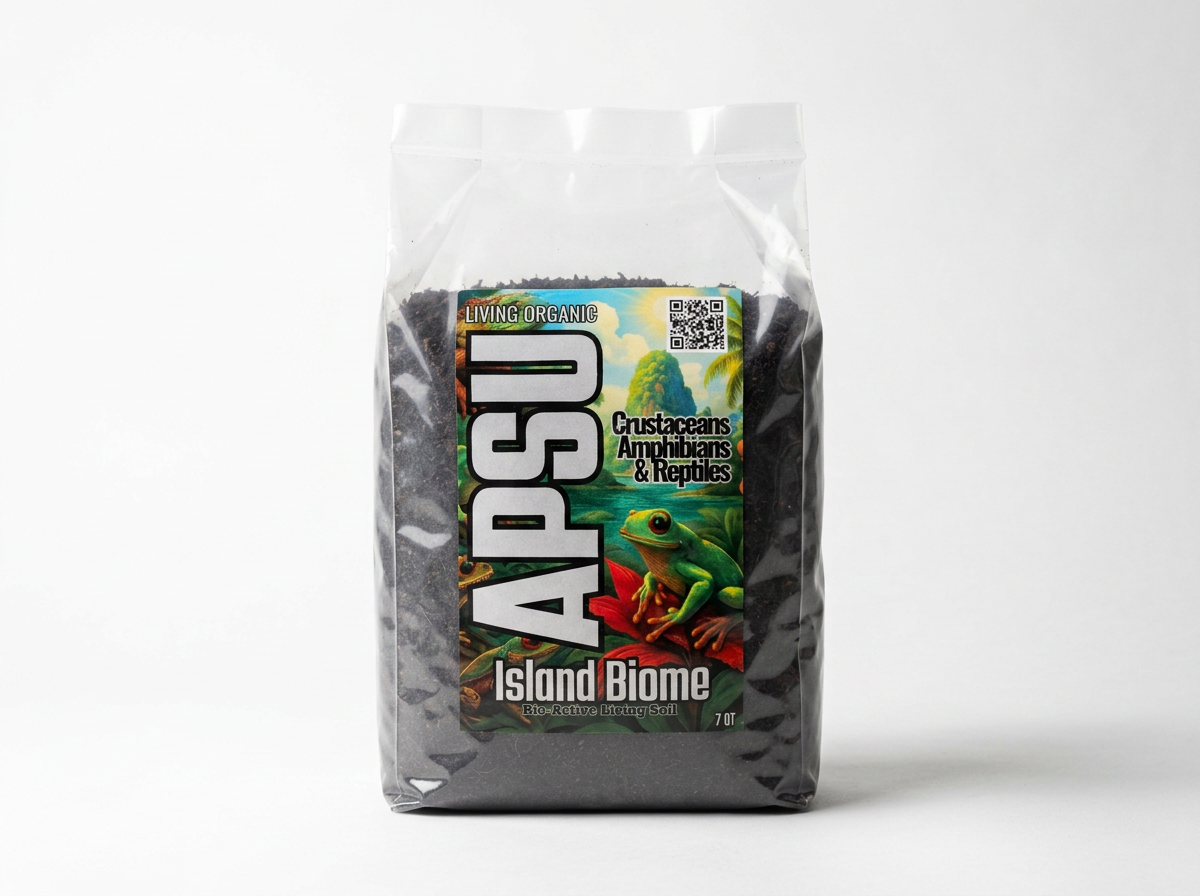 Image 1 of 3
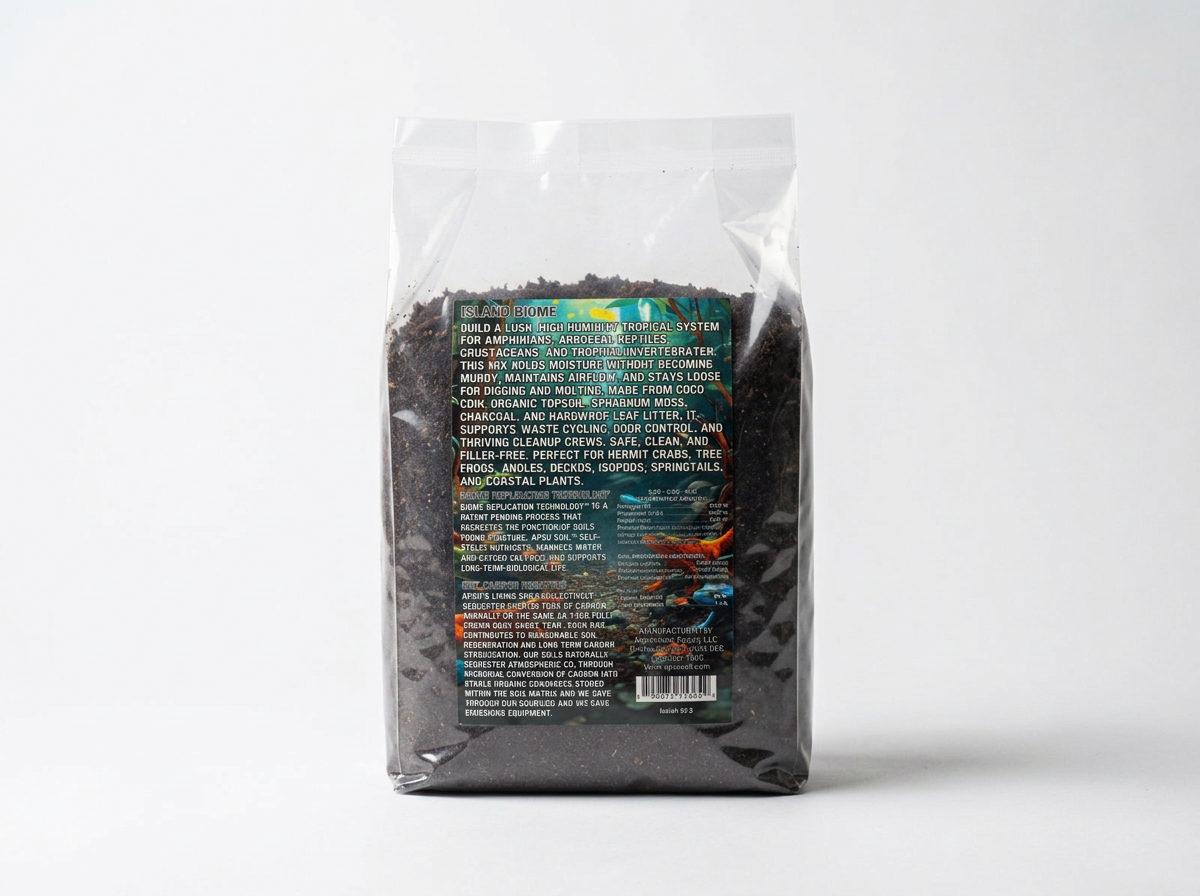 Image 2 of 3
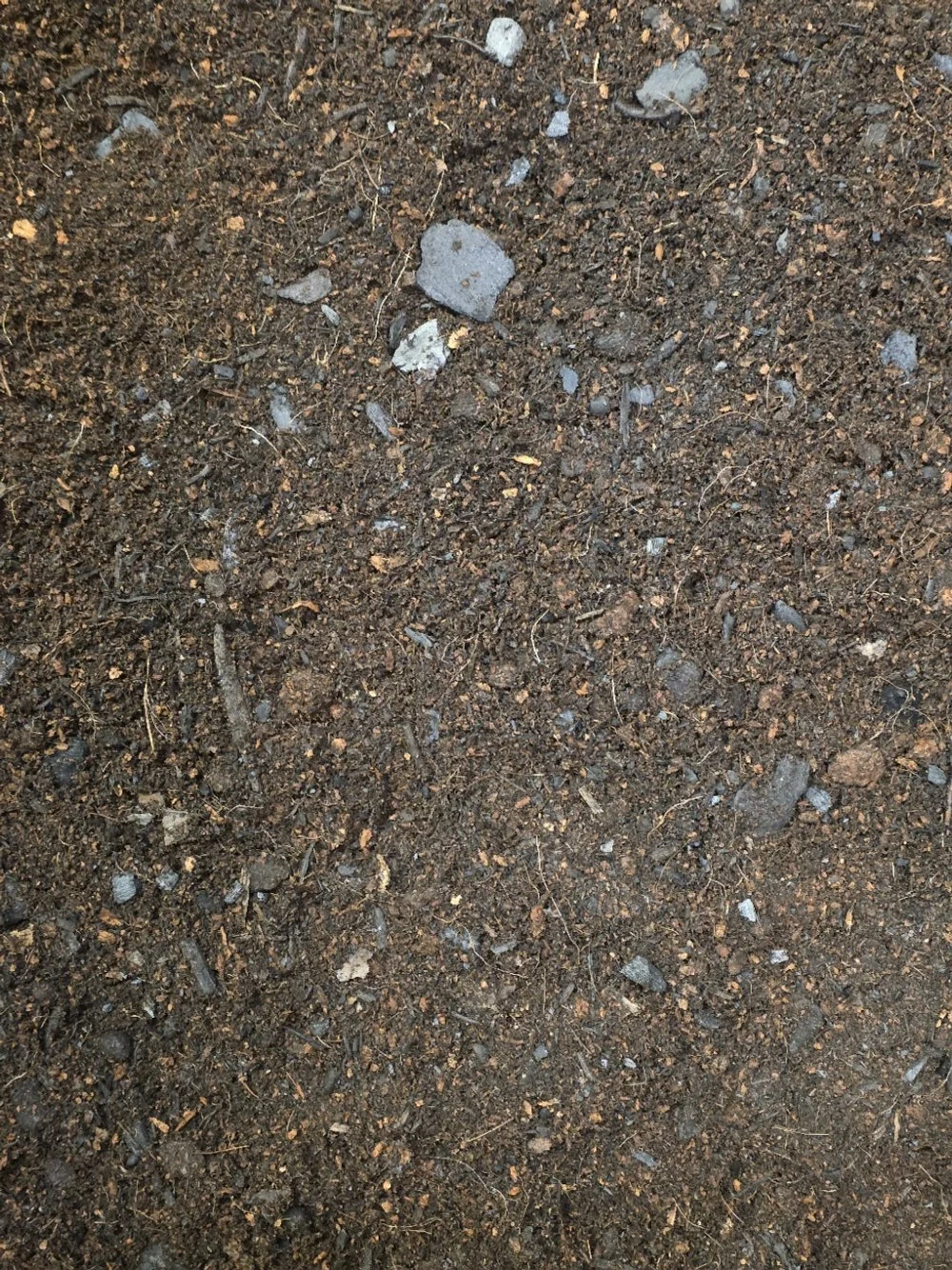 Image 3 of 3