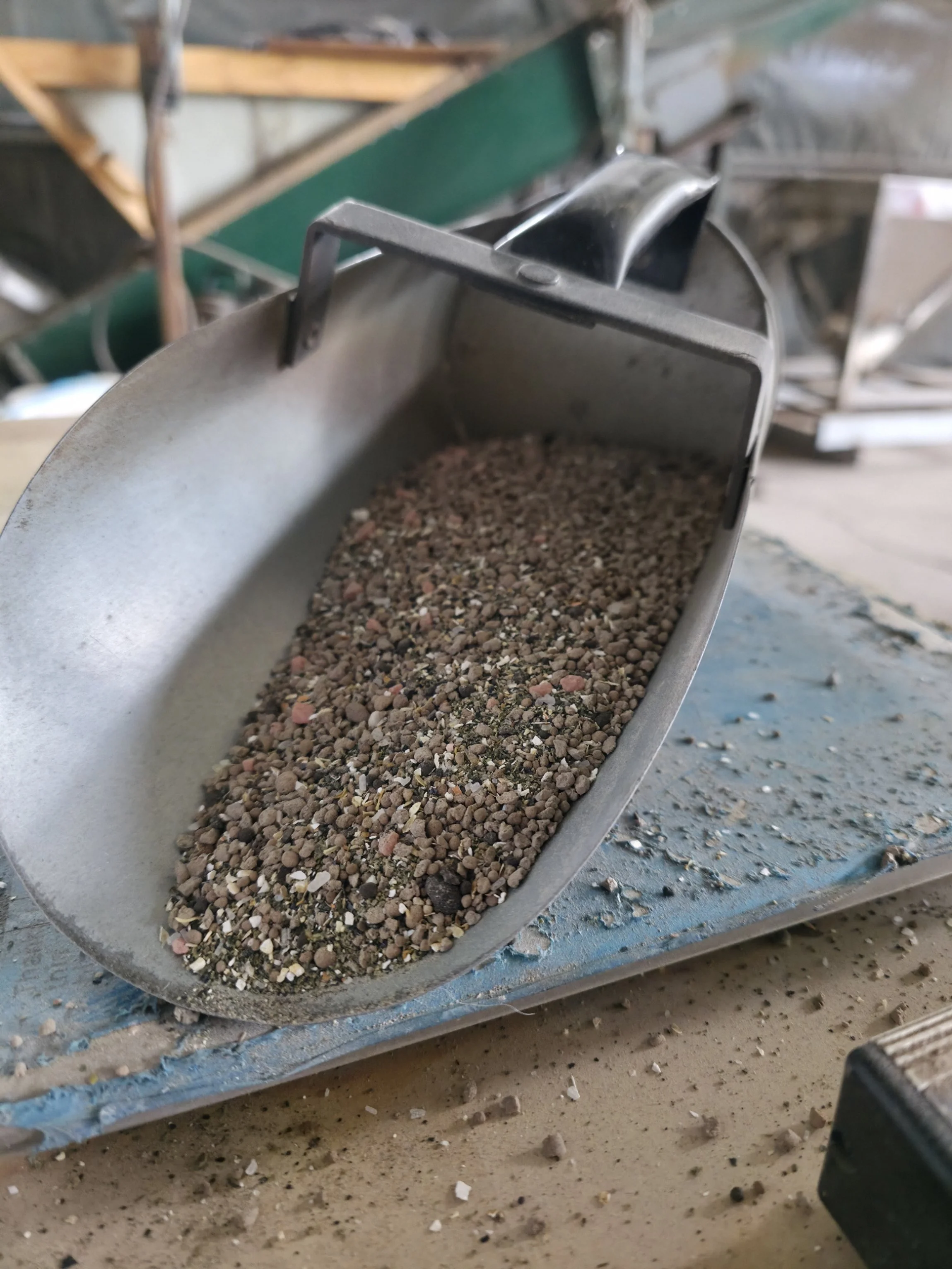
Plant Nutrients
Plants grow best when nutrition is understood as a system, not a checklist. Growth is driven first by structure and energy, then refined by balance, signaling, and resilience. Macronutrients form the foundation, secondary nutrients support function and stability, and micronutrients fine-tune metabolism and defense.
Primary Macronutrients
Nitrogen (N) drives chlorophyll production and vegetative growth, giving plants their green color and fueling photosynthesis. Phosphorus (P) governs energy transfer, root development, flowering, and reproduction. Potassium (K) regulates water movement, strengthens tissues, improves disease resistance, and supports overall plant health. Calcium (Ca) builds cell walls, supports new growth, and stabilizes nutrient transport and structure. Magnesium (Mg) sits at the center of chlorophyll molecules and enables enzyme activity and energy transfer. Sulfur (S) supports amino acid formation, protein synthesis, and chlorophyll development.
Secondary Macronutrients
Carbon (C), Hydrogen (H), and Oxygen (O) form the structural backbone of all plants. Supplied through air and water, they drive photosynthesis and carbohydrate formation and are rarely limiting under normal conditions.
Micronutrients
Iron (Fe) enables chlorophyll synthesis and energy movement. Manganese (Mn) supports photosynthesis and nitrogen metabolism. Boron (B) regulates cell walls, nutrient transport, and flower development. Zinc (Zn) controls hormone production and enzyme function. Copper (Cu) supports respiration, photosynthesis, and disease resistance. Molybdenum (Mo) allows plants to convert nitrogen into usable forms. Chlorine (Cl) regulates water balance and transpiration. Nickel (Ni) supports nitrogen metabolism and enzyme systems.
Key takeaway:
Plants don’t fail from missing everything at once. They respond to imbalance. Strong growth comes from prioritizing fundamentals first, then refining nutrition with restraint and intention. When nutrients are supplied in proper order and balance, plants regulate themselves and grow stronger with each cycle.
Macronutrients
Nitrogen (N)
Role: Nitrogen is a key component of chlorophyll, which is necessary for photosynthesis. It promotes healthy leaf and stem growth, giving plants their green color.
Effect: Plants grow more foliage and exhibit lush, green leaves.
Deficiency Symptoms: Yellowing of older leaves, stunted growth.
Phosphorus (P)
Role: Phosphorus is crucial for energy transfer within the plant and is vital for root development, flowering, and fruiting. It helps plants convert nutrients into usable forms.
Effect: Strong root systems, increased flowering, and improved fruit or seed production.
Deficiency Symptoms: Stunted growth, poor flowering, and darkening of leaves (sometimes purplish).
Potassium (K)
Role: Potassium helps regulate water and nutrient movement in plants, boosts disease resistance, and improves overall plant health. It strengthens plant tissues and is important for root growth.
Effect: Improved drought tolerance, enhanced fruit and vegetable quality, and stronger stems.
Deficiency Symptoms: Leaf edges turn yellow or brown, weak stems, and poor root development.
Calcium (Ca)
Role: Calcium is essential for cell wall structure and growth. It also aids in the transport of other nutrients and helps maintain a balanced soil pH.
Effect: Stronger stems, better fruit set, and overall plant structure.
Deficiency Symptoms: Blossom-end rot in tomatoes and peppers, distorted leaf growth, and stunted roots.
Magnesium (Mg)
Role: Magnesium is a central component of chlorophyll, necessary for photosynthesis. It also supports the activation of many plant enzymes.
Effect: Healthy leaf production and efficient energy use in plants.
Deficiency Symptoms: Yellowing between leaf veins, especially in older leaves.
Sulfur (S)
Role: Sulfur is important for the production of amino acids and proteins. It is also necessary for the formation of chlorophyll.
Effect: Enhances protein synthesis and improves plant health and growth.
Deficiency Symptoms: Pale green or yellow leaves, stunted growth.
Secondary Macronutrients
Carbon (C), Hydrogen (H), and Oxygen (O)
Role: These are obtained from air and water and are essential for photosynthesis and cellular structure.
Effect: Carbon forms the backbone of plant structure, while hydrogen and oxygen help create carbohydrates that provide energy.
Deficiency Symptoms: Not typically an issue, as plants usually receive enough from air and water.
Micronutrients
Iron (Fe)
Role: Iron is necessary for the synthesis of chlorophyll and plays a role in oxygen transport within the plant.
Effect: Improves photosynthesis efficiency and enzyme function.
Deficiency Symptoms: Yellowing between veins (chlorosis) of new leaves.
Manganese (Mn)
Role: Manganese assists in photosynthesis and enzyme activation. It helps in nitrogen assimilation and nutrient absorption.
Effect: Supports chlorophyll production and nitrogen metabolism.
Deficiency Symptoms: Yellowing between leaf veins, similar to iron deficiency.
Boron (B)
Role: Boron is vital for cell wall formation and nutrient transport. It helps in flower and fruit development.
Effect: Promotes proper development of flowers, seeds, and fruit.
Deficiency Symptoms: Poor fruit set, brittle stems, and distorted growth.
Zinc (Zn)
Role: Zinc plays a critical role in plant hormone production and enzyme function. It helps plants produce proteins and regulate growth.
Effect: Better root development and stronger plant growth.
Deficiency Symptoms: Small leaves, shortened internodes, and delayed maturity.
Copper (Cu)
Role: Copper is essential for photosynthesis, respiration, and enzyme activity.
Effect: Enhances disease resistance and overall plant metabolism.
Deficiency Symptoms: Wilting, pale leaves, and stunted growth.
Molybdenum (Mo)
Role: Molybdenum helps plants convert nitrogen into a usable form (nitrate) and plays a role in enzyme function.
Effect: Improved nitrogen utilization and enzyme activity.
Deficiency Symptoms: Yellowing of older leaves and poor growth.
Chlorine (Cl)
Role: Chlorine is involved in osmosis and ionic balance within plants. It aids in water movement and transpiration.
Effect: Improves disease resistance and water regulation.
Deficiency Symptoms: Wilting, leaf spots, and restricted root growth.
Nickel (Ni)
Role: Nickel is essential for nitrogen metabolism and is involved in enzyme systems.
Effect: Helps with nitrogen fixation and enzyme activation.
Deficiency Symptoms: Leaf tip necrosis and reduced growth.
Key Functions Summary:
Nitrogen: Leaf and vegetative growth.
Phosphorus: Root development and flowering.
Potassium: General plant health and fruit quality.
Calcium: Cell structure and growth.
Magnesium: Chlorophyll production and energy transport.
Sulfur: Protein and enzyme function.
Micronutrients: Essential for enzymatic processes, disease resistance, and overall health.