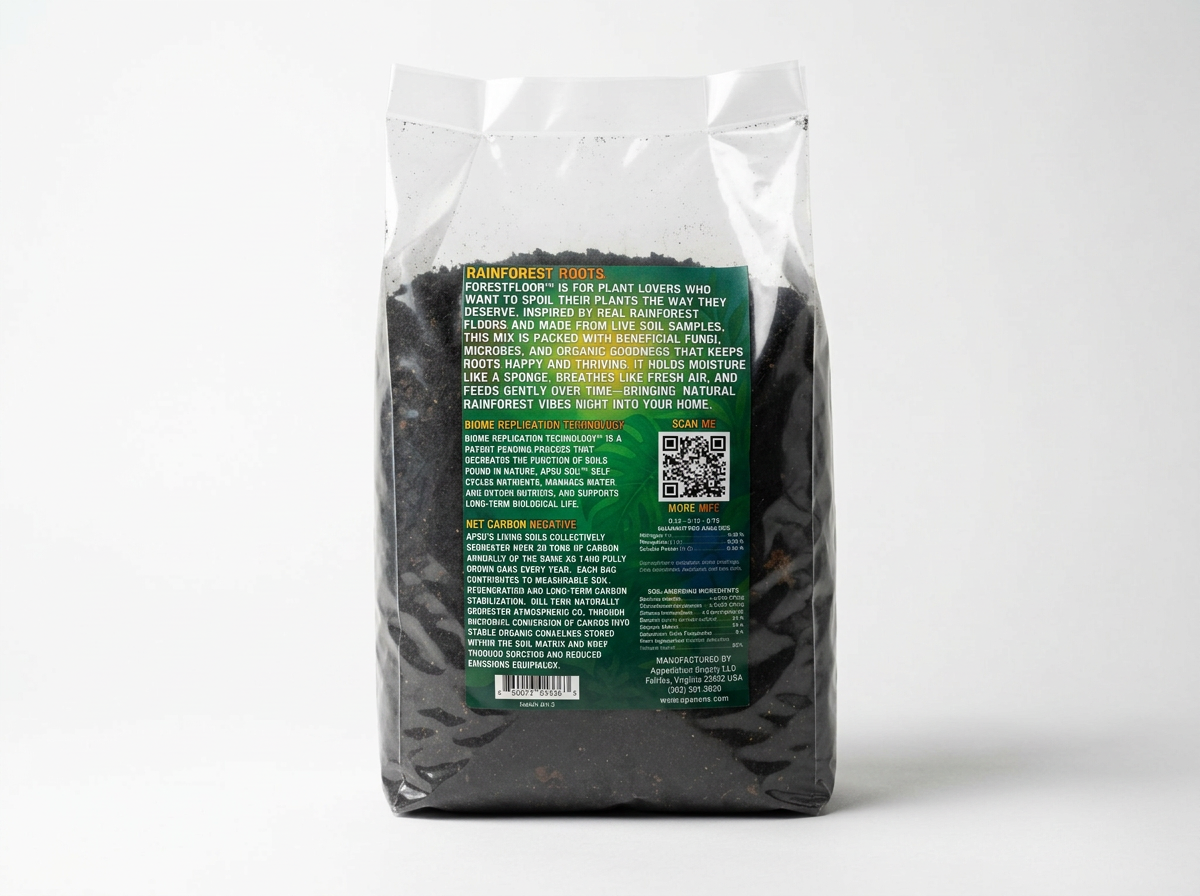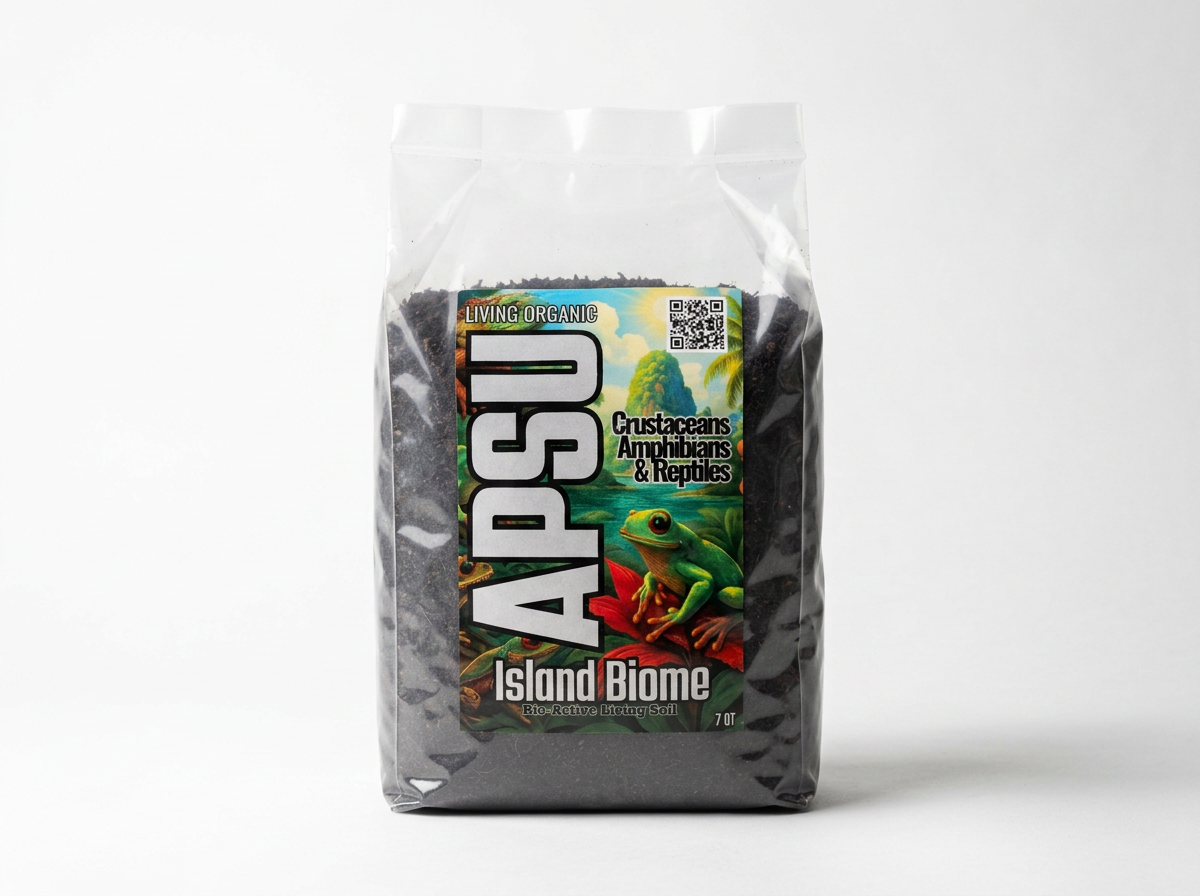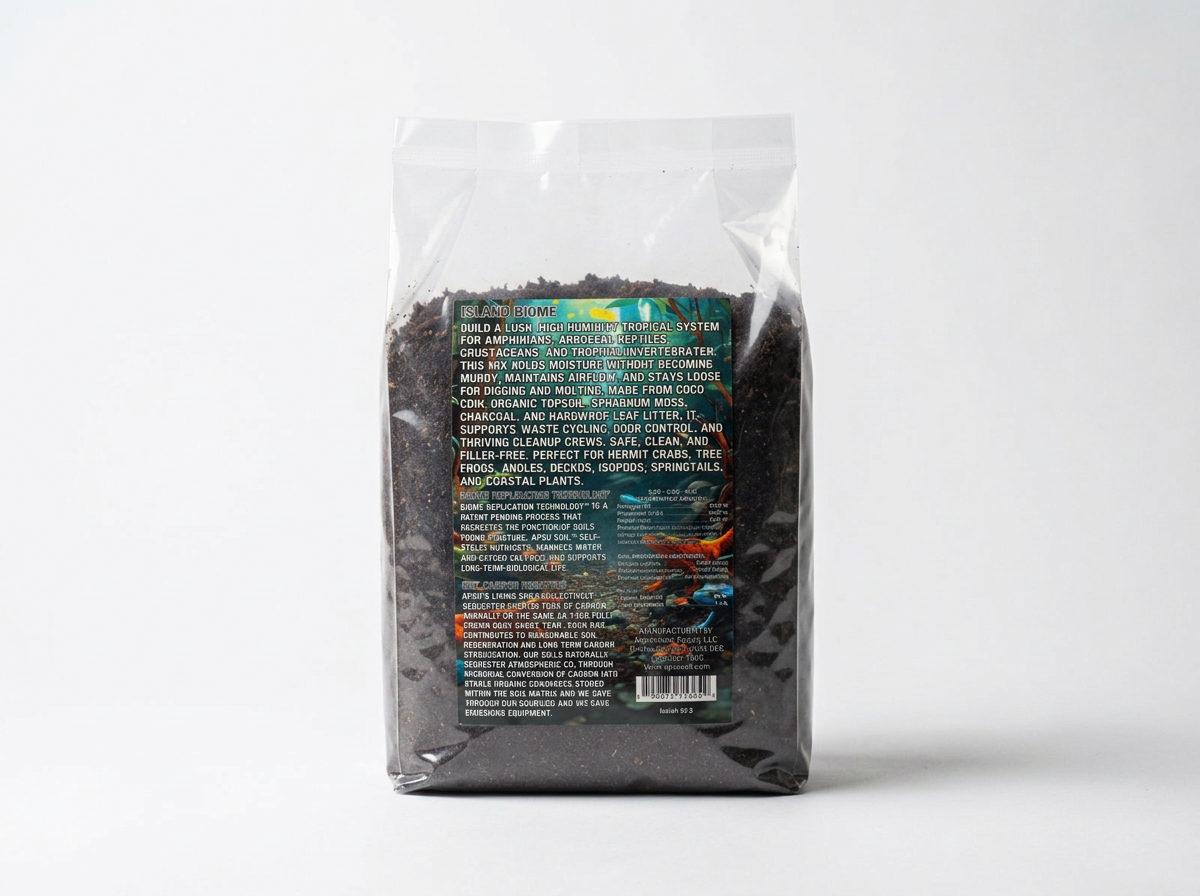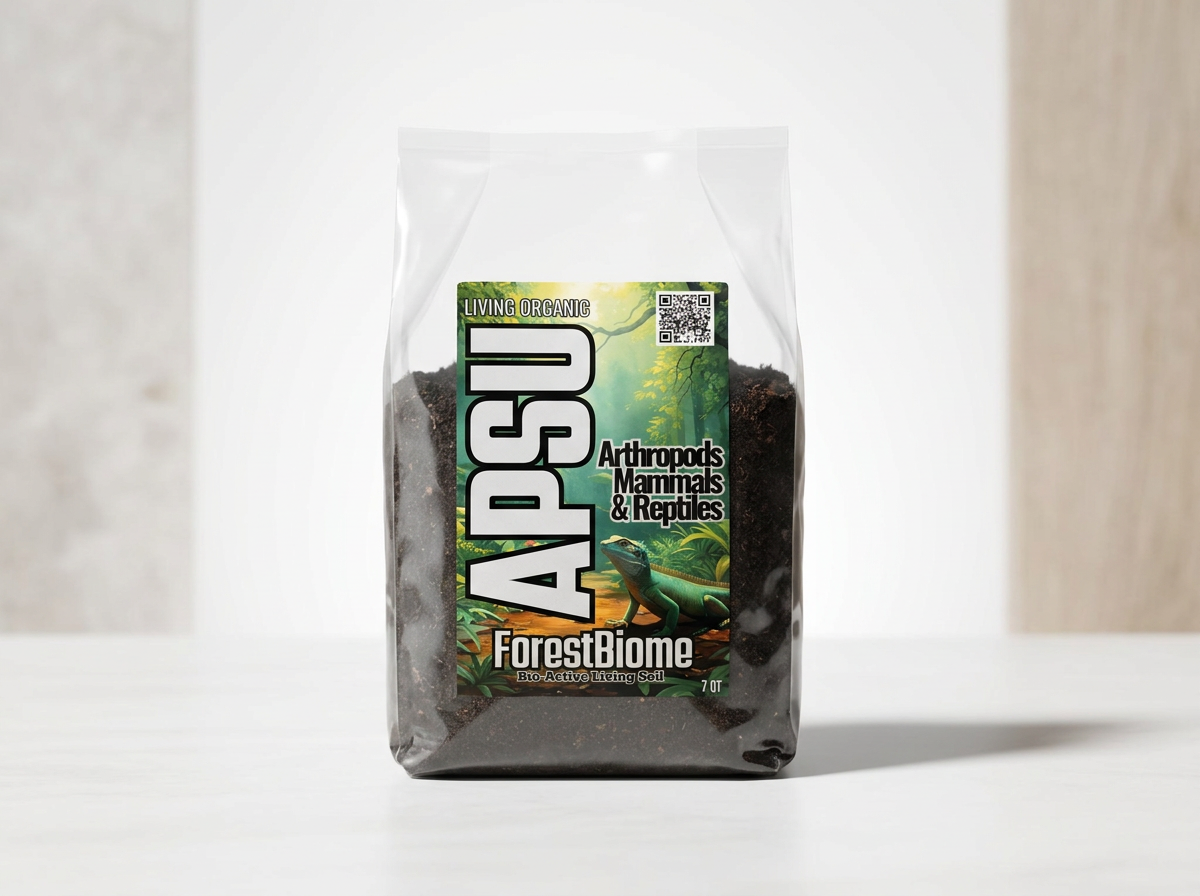
ForestBiome™ – Temperate Woodland Habitat Soil

$39.99

Engineered for moisture balance, aeration, and bioactive life.

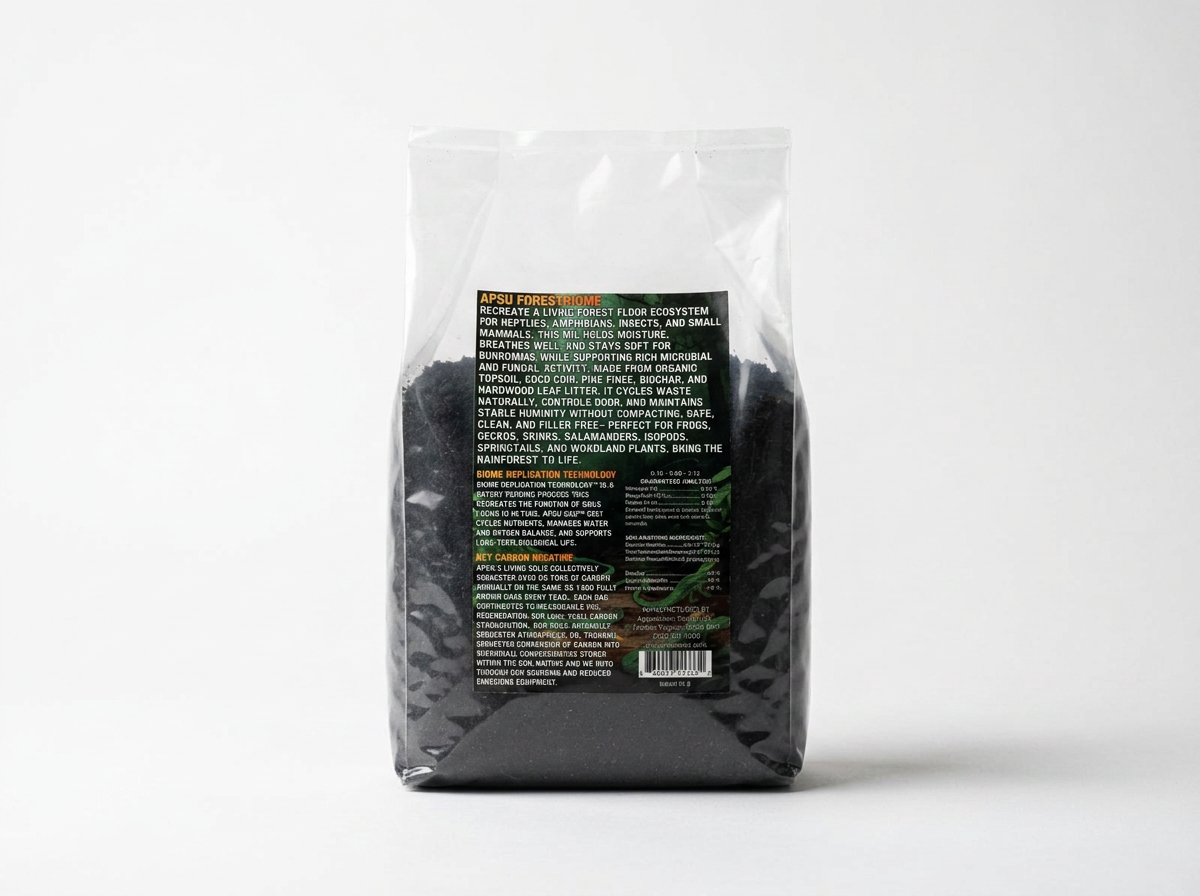
ForestBiome™ is a living habitat substrate engineered to replicate the loamy, moisture-balanced forest floors of temperate woodlands. Designed for reptiles, amphibians, small mammals, and invertebrates that thrive in moderate humidity, this soil provides the structure, biology, and resilience required for burrowing, tunneling, and long-term bioactive systems.

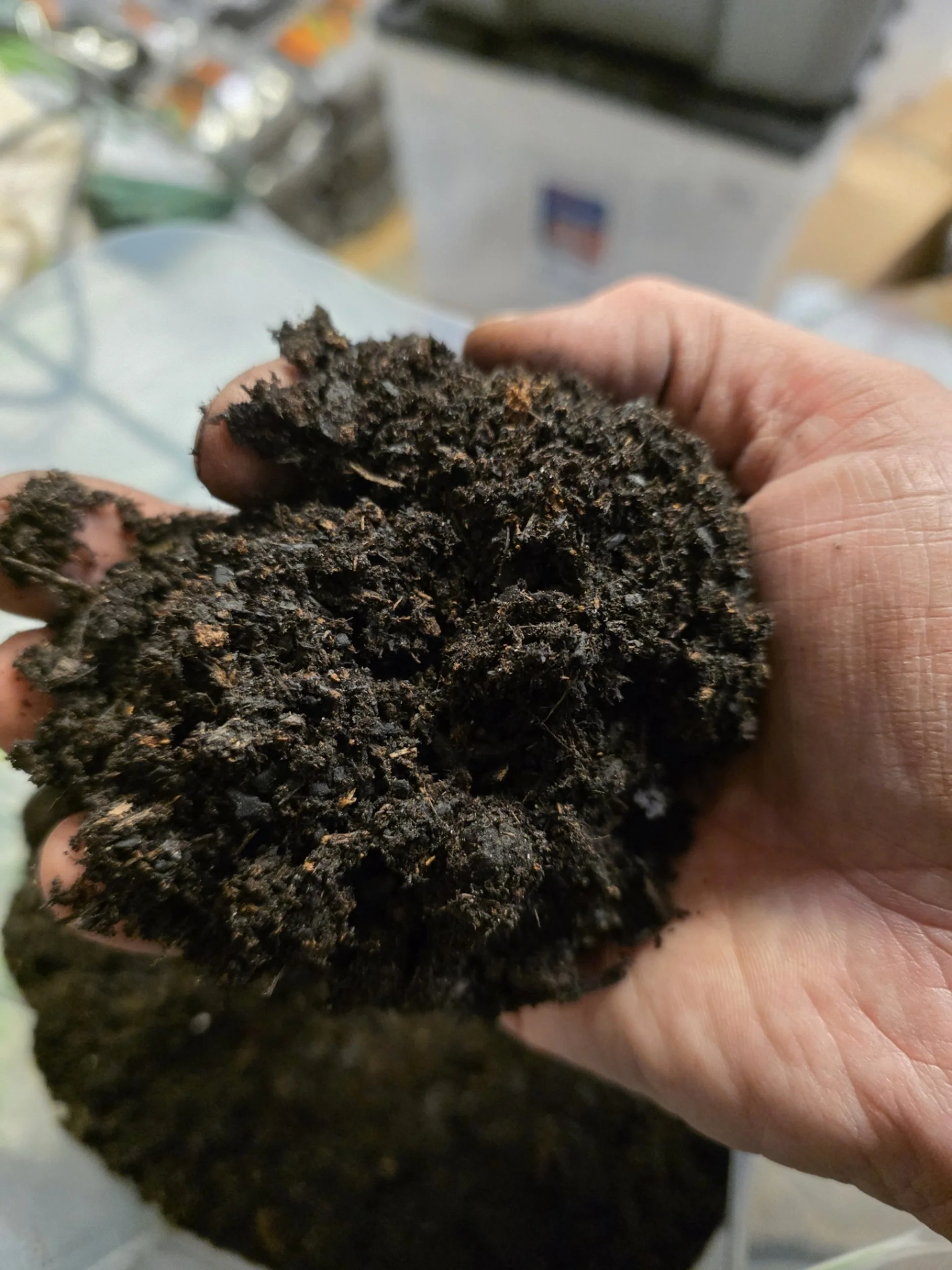
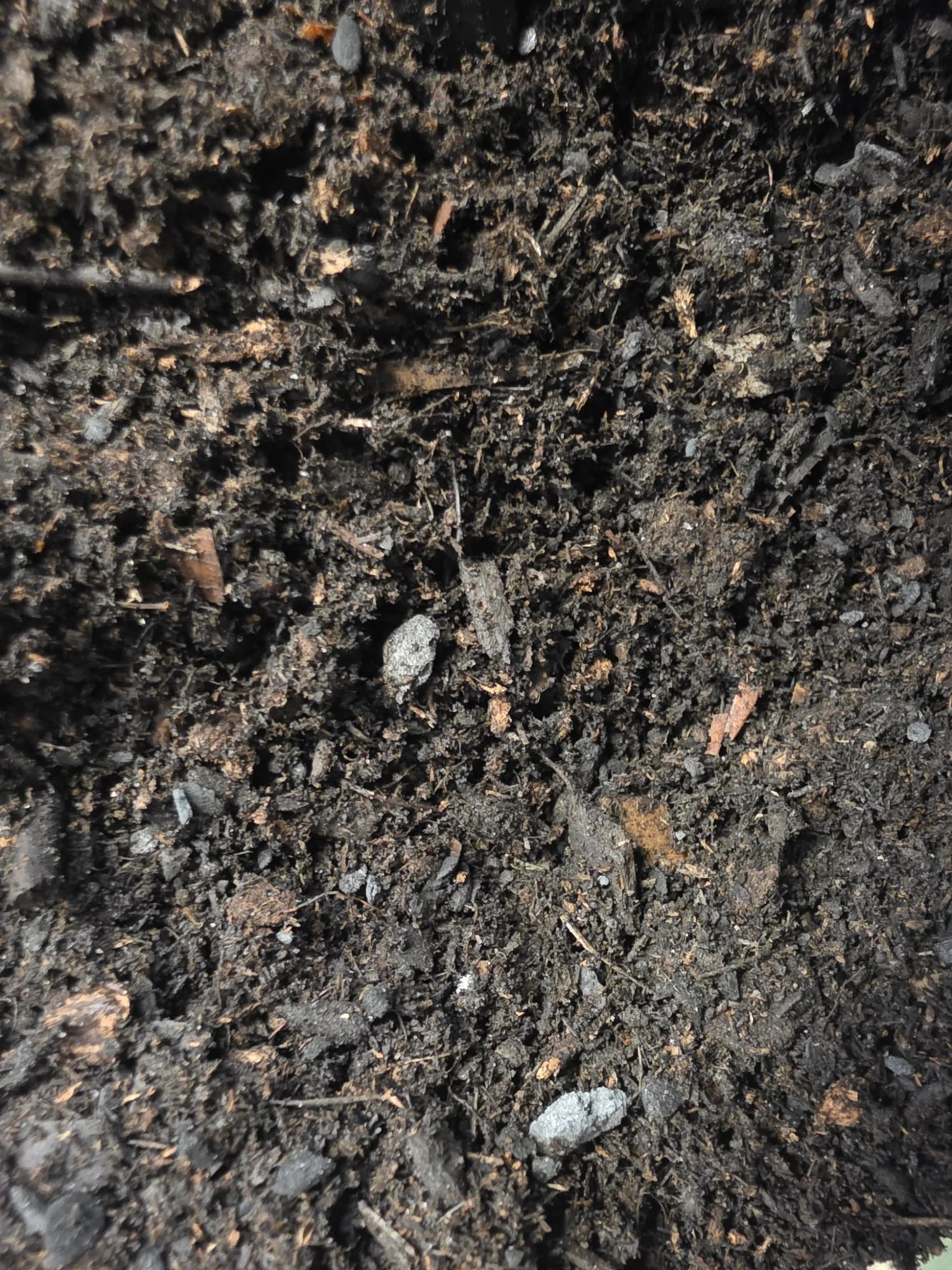
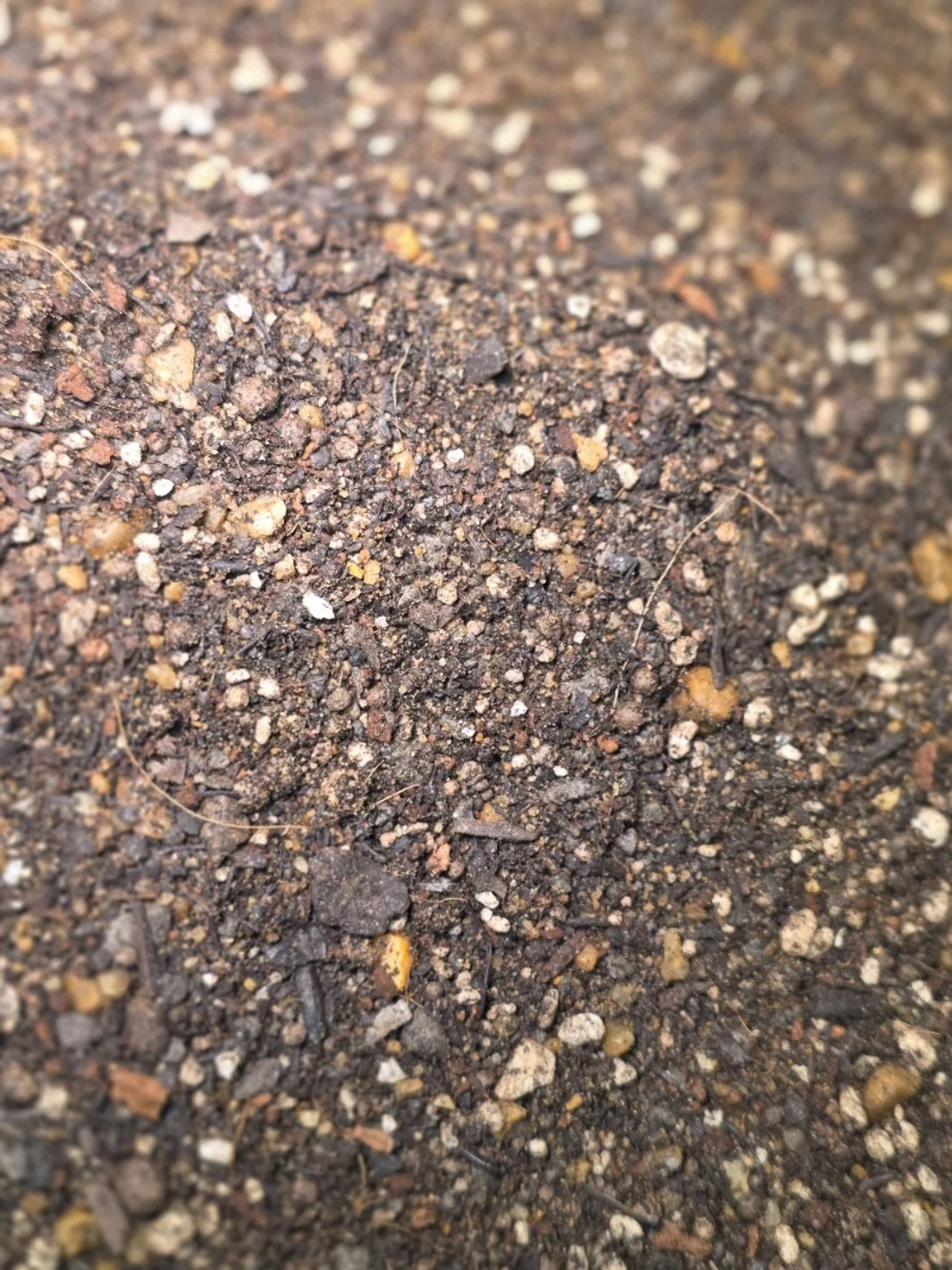
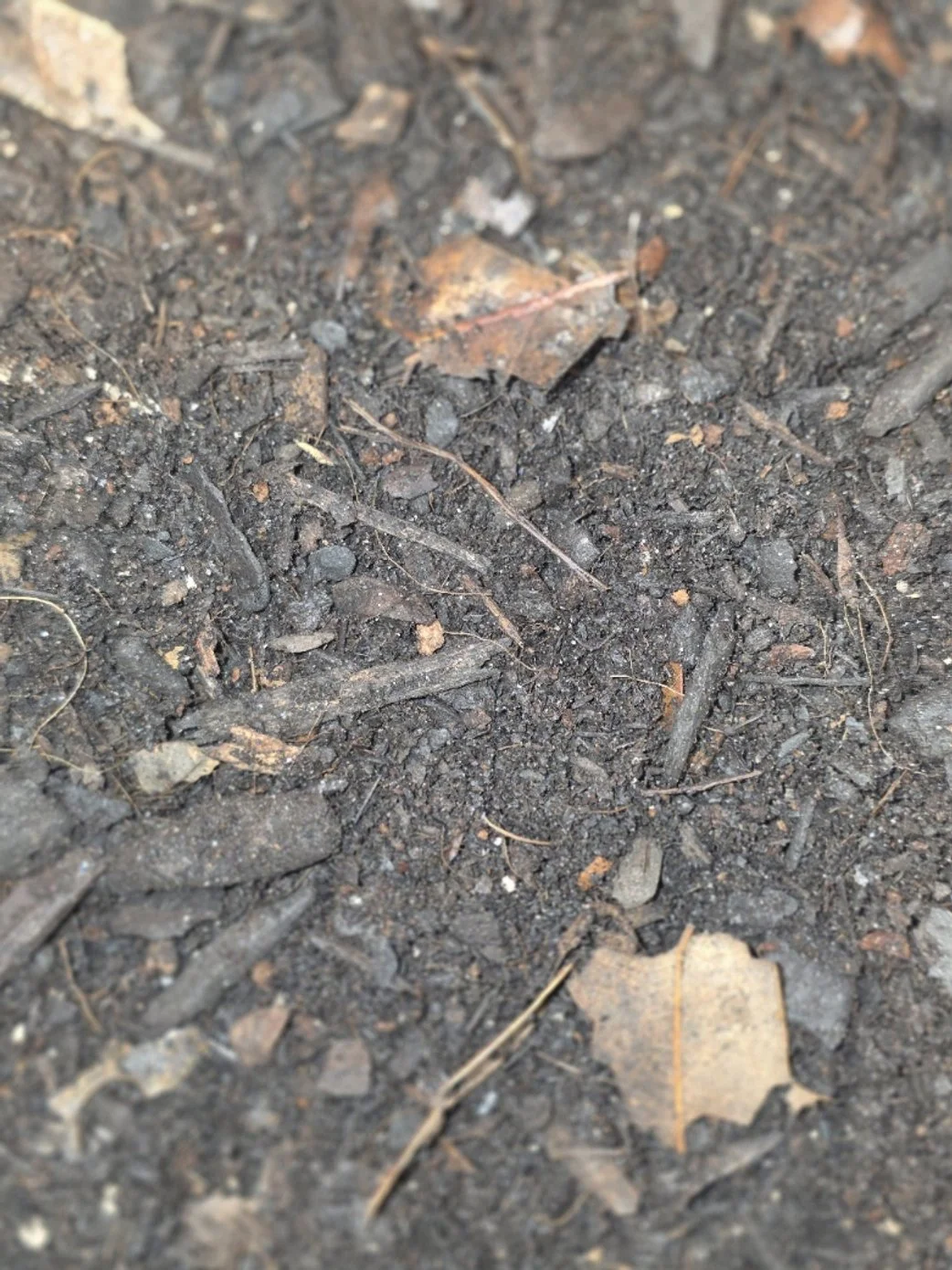
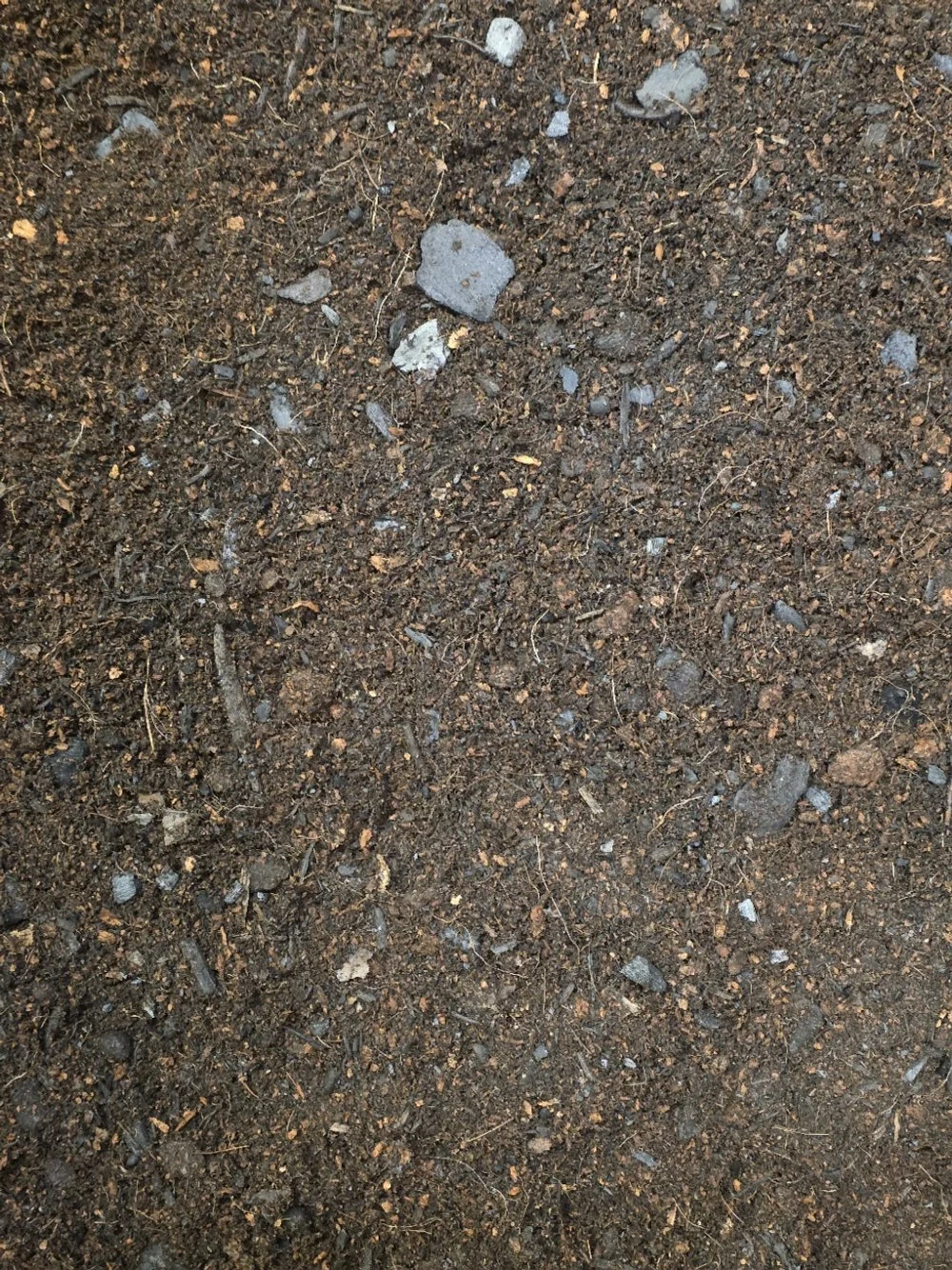
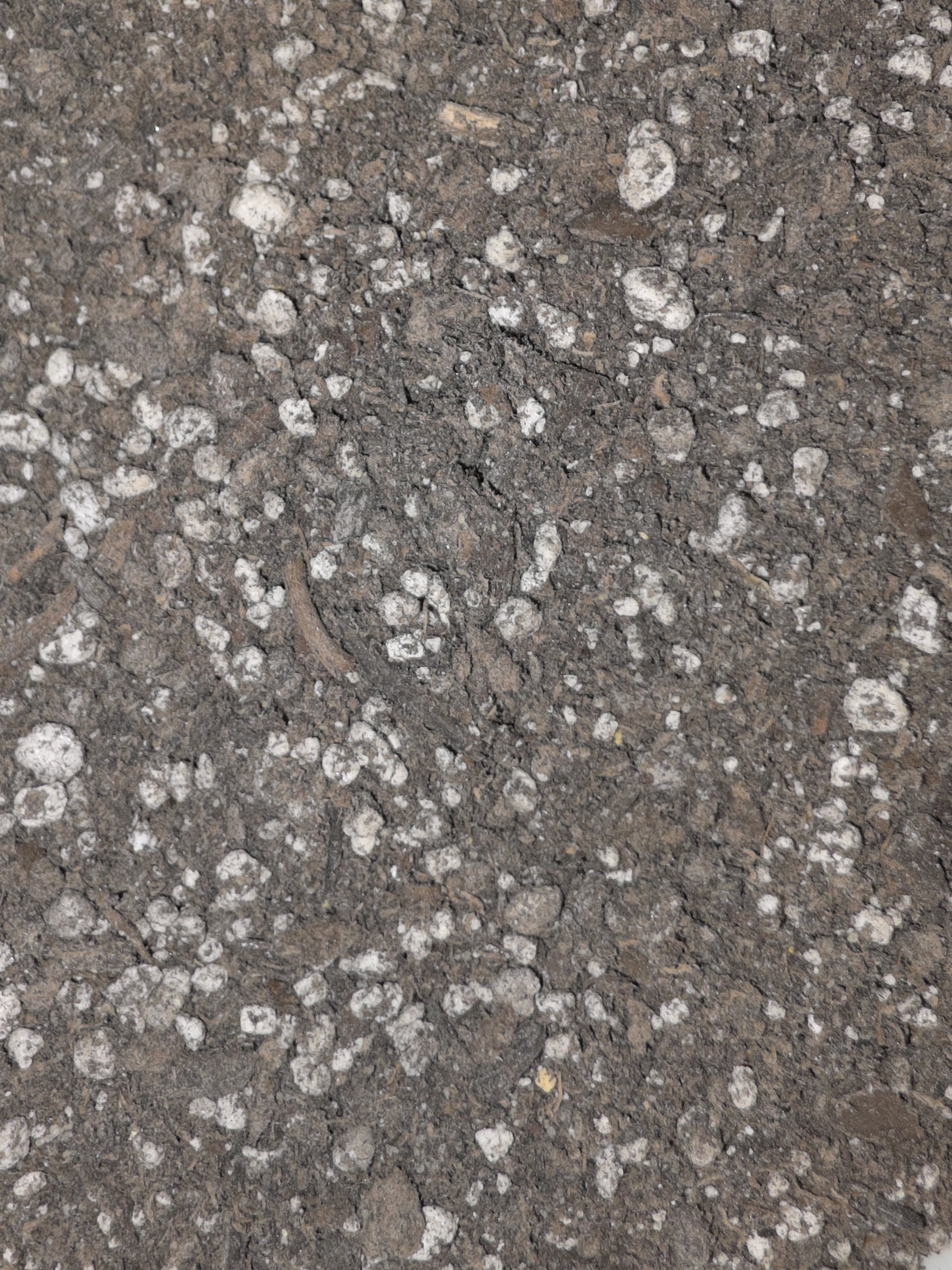
Unlike basic bagged topsoil or coco-heavy mixes that compact, sour, or turn muddy over time, ForestBiome™ is built as a functional soil system. Organic topsoil, leaf litter, coco coir, crushed granite, biochar, and leaf mold work together to create a breathable, diggable substrate that maintains stable moisture without trapping excess water.

ForestBiome™ supports live plants, beneficial microbes, and clean-up crews while maintaining consistent oxygen exchange and humidity control. Animals experience improved comfort, healthier skin and respiration, and more natural behaviors such as scent-mapping, burrowing, and foraging.

Why It Works

Moisture Balance – Coir and leaf litter retain hydration evenly without waterlogging
Drainage & Structure – Crushed granite prevents compaction and anaerobic zones
Organic Matter – Leaf mold and topsoil replicate real forest soil horizons
Microbial Support – Biochar fuels beneficial bacteria and fungi
Burrowing Stability – Soft, pliable texture supports tunnels and nesting

Animals and Insects

Box Turtle, Blue-Tongued Skink, Corn Snake, Milk Snake, Kingsnake, Green Tree Python, Red-Footed Tortoise, Russian Tortoise, Fire-Bellied Toad, Tiger Salamander, Hedgehog, Sugar Glider, Short-Tailed Opossum, African Dormouse, Fancy Mice, Dwarf Hamster, Chipmunk, Flying Squirrel, Pine Marten, Shrew, Deer Mouse, Porcupine, Grey Fox, Field Mouse, Opossum, Forest Anole, Five-Lined Skink, Mossy Gecko, Forest Gecko, Eastern Box Turtle, Black Rat Snake, Milk Snake, Flying Squirrel, Red-Eye Tree Frog, Poison Dart Frog, Axolotl, American Toad, Spotted Salamander, Newts, Isopods, Springtails, Millipedes, Earthworms, Forest Scorpions, Tarantulas, Beetles, Stick Insects, Centipedes, Wolf Spider, Camel Cricket, Earwig, Forest Slug, Wood Roaches, Stag Beetle, Rhino Beetle, Carpenter Ants.

Plants


Sheet Moss, Cushion Moss, Haircap Moss, Fern Moss, Tree Moss, Clubmoss, Spike Moss, Blue Selaginella, Selaginella, Liverworts, Riccia Moss, Pillow Moss, Mood Moss, Hypnum Moss, Creeping Moss, Feather Moss, Sphagnum Moss, Leaf Litter Moss, Mini Ferns, Button Fern, Maidenhair Fern Mini, Lemon Button Fern, Heart Fern, Filmy Ferns, Rabbit Foot Fern, Autumn Fern, Bird’s Nest Fern Mini, Boston Fern Mini, Staghorn Fern Mini, Asparagus Fern Mini, Pellaea Fern, Rock Fern, Polypody Fern, Terrarium Fern Mix, Baby Tears Plant, Pearlwort, Corsican Mint, Irish Moss, Scotch Moss, Creeping Fig Mini, Creeping Fig Variegated Mini, Oak Leaf Creeping Fig, Pillow Pothos, Mini Peperomia, Peperomia Frost, Peperomia Prostrata, Peperomia Rotundifolia, Rainbow Peperomia, Silver Peperomia, Watermelon Peperomia Mini, Pilea Depressa, Pilea Glaucophylla, Pilea Baby Tears, Aluminum Pilea Mini, Chinese Money Plant Mini, Fittonia Mini, Mosaic Fittonia Mini, Creeping Jenny, Partridge Berry, Wintergreen, Woodland Strawberry, Barren Strawberry, Foamflower, Tiarella, Coral Bells Dwarf, Wild Violets, Violet Groundcover, Strawberry Bush, Running Strawberry Bush, Black Cohosh Seedlings, Goldenseal Young, Ginseng Starts, Mayapple Starts, Trillium, Jack-in-the-Pulpit Young, Sweet Woodruff, Wild Ginger, Heartleaf Ginger, Solomon Seal Mini, False Solomon Seal Mini, Woodland Phlox Groundcover, Bleeding Heart Dwarf, Columbine Dwarf, Dwarf Rhododendron, Dwarf Azalea, Dwarf Hydrangea Shade Form, Moss Phlox, Creeping Bellflower Mini, Creeping Dogwood, Parlor Palm Juvenile, Bamboo Palm Juvenile, Lady Palm Pup, Neanthe Bella Palm, Baby Palm Mix, Mini Moss Pole Aroids, Mini Philodendron, Mini Scindapsus, Mini Rhaphidophora, Jungle Creeper Mini, Mini Hoya, Mini Begonia, Mini Jewel Orchid, Micro Foliage Tropical, Mini Rhipsalis, Forest Cactus Epiphyllum Seedling, Dwarf Bromeliad Pups, Tillandsia Pup Stage.

Biome Replication Technology™

APSU Soil™ rebuilds functional ecosystems using real-world biome data. ForestBiome™ replicates natural pore networks, organic cycling, microbial diversity, and moisture buffering — creating an enclosure that behaves like a living forest floor, not a synthetic container.

Grow once. Reuse forever.

Engineered for moisture balance, aeration, and bioactive life.

ForestBiome™ is a living habitat substrate engineered to replicate the loamy, moisture-balanced forest floors of temperate woodlands. Designed for reptiles, amphibians, small mammals, and invertebrates that thrive in moderate humidity, this soil provides the structure, biology, and resilience required for burrowing, tunneling, and long-term bioactive systems.

Unlike basic bagged topsoil or coco-heavy mixes that compact, sour, or turn muddy over time, ForestBiome™ is built as a functional soil system. Organic topsoil, leaf litter, coco coir, crushed granite, biochar, and leaf mold work together to create a breathable, diggable substrate that maintains stable moisture without trapping excess water.

ForestBiome™ supports live plants, beneficial microbes, and clean-up crews while maintaining consistent oxygen exchange and humidity control. Animals experience improved comfort, healthier skin and respiration, and more natural behaviors such as scent-mapping, burrowing, and foraging.

Why It Works

Moisture Balance – Coir and leaf litter retain hydration evenly without waterlogging
Drainage & Structure – Crushed granite prevents compaction and anaerobic zones
Organic Matter – Leaf mold and topsoil replicate real forest soil horizons
Microbial Support – Biochar fuels beneficial bacteria and fungi
Burrowing Stability – Soft, pliable texture supports tunnels and nesting

Animals and Insects

Box Turtle, Blue-Tongued Skink, Corn Snake, Milk Snake, Kingsnake, Green Tree Python, Red-Footed Tortoise, Russian Tortoise, Fire-Bellied Toad, Tiger Salamander, Hedgehog, Sugar Glider, Short-Tailed Opossum, African Dormouse, Fancy Mice, Dwarf Hamster, Chipmunk, Flying Squirrel, Pine Marten, Shrew, Deer Mouse, Porcupine, Grey Fox, Field Mouse, Opossum, Forest Anole, Five-Lined Skink, Mossy Gecko, Forest Gecko, Eastern Box Turtle, Black Rat Snake, Milk Snake, Flying Squirrel, Red-Eye Tree Frog, Poison Dart Frog, Axolotl, American Toad, Spotted Salamander, Newts, Isopods, Springtails, Millipedes, Earthworms, Forest Scorpions, Tarantulas, Beetles, Stick Insects, Centipedes, Wolf Spider, Camel Cricket, Earwig, Forest Slug, Wood Roaches, Stag Beetle, Rhino Beetle, Carpenter Ants.

Plants


Sheet Moss, Cushion Moss, Haircap Moss, Fern Moss, Tree Moss, Clubmoss, Spike Moss, Blue Selaginella, Selaginella, Liverworts, Riccia Moss, Pillow Moss, Mood Moss, Hypnum Moss, Creeping Moss, Feather Moss, Sphagnum Moss, Leaf Litter Moss, Mini Ferns, Button Fern, Maidenhair Fern Mini, Lemon Button Fern, Heart Fern, Filmy Ferns, Rabbit Foot Fern, Autumn Fern, Bird’s Nest Fern Mini, Boston Fern Mini, Staghorn Fern Mini, Asparagus Fern Mini, Pellaea Fern, Rock Fern, Polypody Fern, Terrarium Fern Mix, Baby Tears Plant, Pearlwort, Corsican Mint, Irish Moss, Scotch Moss, Creeping Fig Mini, Creeping Fig Variegated Mini, Oak Leaf Creeping Fig, Pillow Pothos, Mini Peperomia, Peperomia Frost, Peperomia Prostrata, Peperomia Rotundifolia, Rainbow Peperomia, Silver Peperomia, Watermelon Peperomia Mini, Pilea Depressa, Pilea Glaucophylla, Pilea Baby Tears, Aluminum Pilea Mini, Chinese Money Plant Mini, Fittonia Mini, Mosaic Fittonia Mini, Creeping Jenny, Partridge Berry, Wintergreen, Woodland Strawberry, Barren Strawberry, Foamflower, Tiarella, Coral Bells Dwarf, Wild Violets, Violet Groundcover, Strawberry Bush, Running Strawberry Bush, Black Cohosh Seedlings, Goldenseal Young, Ginseng Starts, Mayapple Starts, Trillium, Jack-in-the-Pulpit Young, Sweet Woodruff, Wild Ginger, Heartleaf Ginger, Solomon Seal Mini, False Solomon Seal Mini, Woodland Phlox Groundcover, Bleeding Heart Dwarf, Columbine Dwarf, Dwarf Rhododendron, Dwarf Azalea, Dwarf Hydrangea Shade Form, Moss Phlox, Creeping Bellflower Mini, Creeping Dogwood, Parlor Palm Juvenile, Bamboo Palm Juvenile, Lady Palm Pup, Neanthe Bella Palm, Baby Palm Mix, Mini Moss Pole Aroids, Mini Philodendron, Mini Scindapsus, Mini Rhaphidophora, Jungle Creeper Mini, Mini Hoya, Mini Begonia, Mini Jewel Orchid, Micro Foliage Tropical, Mini Rhipsalis, Forest Cactus Epiphyllum Seedling, Dwarf Bromeliad Pups, Tillandsia Pup Stage.

Biome Replication Technology™

APSU Soil™ rebuilds functional ecosystems using real-world biome data. ForestBiome™ replicates natural pore networks, organic cycling, microbial diversity, and moisture buffering — creating an enclosure that behaves like a living forest floor, not a synthetic container.

Grow once. Reuse forever.

Forest Biome™ – Frequently Asked Questions

What is Forest Biome™ soil?

Forest Biome™ is a habitat soil engineered to replicate temperate woodland and forest floor environments. It is moisture-balanced, structurally stable, and biologically supportive—built for species that thrive in cool to moderate humidity forests.

What animals is Forest Biome™ best for?

Forest Biome™ is ideal for:

  • Box turtles, wood turtles, and terrestrial turtles

  • Skinks, forest-dwelling snakes, and salamanders

  • Toads, newts, and moisture-tolerant amphibians

  • Small forest mammals (with appropriate bedding depth)

  • Isopods, springtails, beetles, and other detritivores

Is Forest Biome™ safe for bioactive enclosures?

Yes. Forest Biome™ is fully bioactive-ready and designed to sustain clean-up crews, beneficial microbes, and natural decomposition cycles without becoming muddy or anaerobic.

How does Forest Biome™ handle moisture?

It retains moisture evenly while draining excess water. This mimics true forest soil—damp but breathable—preventing standing water, sour smells, or root rot.

Does Forest Biome™ compact over time?

No. The varied particle structure and organic framework resist compaction far better than standard topsoil or peat-only substrates.

Can animals burrow in Forest Biome™?

Yes. The soil maintains structure for burrowing, tunneling, and sheltering while remaining soft enough to prevent joint or scale damage.

Can I plant live plants directly into it?

Yes. Forest Biome™ supports a wide range of woodland plants, including:

  • Ferns

  • Mosses

  • Pothos

  • Ivy

  • Shade-tolerant understory plants

No separate planting layer is required.

Does Forest Biome™ contain fertilizers or chemicals?

No. It contains no synthetic fertilizers, pesticides, or salts, making it safe for sensitive amphibians and long-term enclosure use.

Does this soil need to be “cooked” or conditioned?

No. Forest Biome™ is ready to use straight out of the bag. Light hydration before setup is recommended, but no curing period is needed.

How long does Forest Biome™ last in an enclosure?

In properly managed bioactive systems, Forest Biome™ can last multiple years, requiring only surface refreshes or leaf-litter replacements.

Can Forest Biome™ be mixed with other substrates?

Yes. It can be combined with:

  • Leaf litter for surface realism

  • Sand or grit for added drainage

  • Bark mulch or wood chunks for structural layers

Is Forest Biome™ safe if accidentally ingested?

While ingestion should always be minimized, Forest Biome™ contains no sharp mineral grit and is safer than loose sand or gravel-based substrates.

Where is Forest Biome™ made?

Forest Biome™ is blended in Virginia using regionally sourced materials and APSU Soil™ biome replication standards.

Why choose Forest Biome™ over generic “forest floor” soils?

Because Forest Biome™ is:

  • Engineered for structure and biology

  • Moisture-stable, not muddy

  • Bioactive by design, not sterile

  • Long-lasting and reusable

It functions as a living forest system, not disposable dirt.

Can Forest Biome™ be reused?

Yes. Forest Biome™ supports APSU’s core system philosophy:
Repair. Recharge. Reuse.