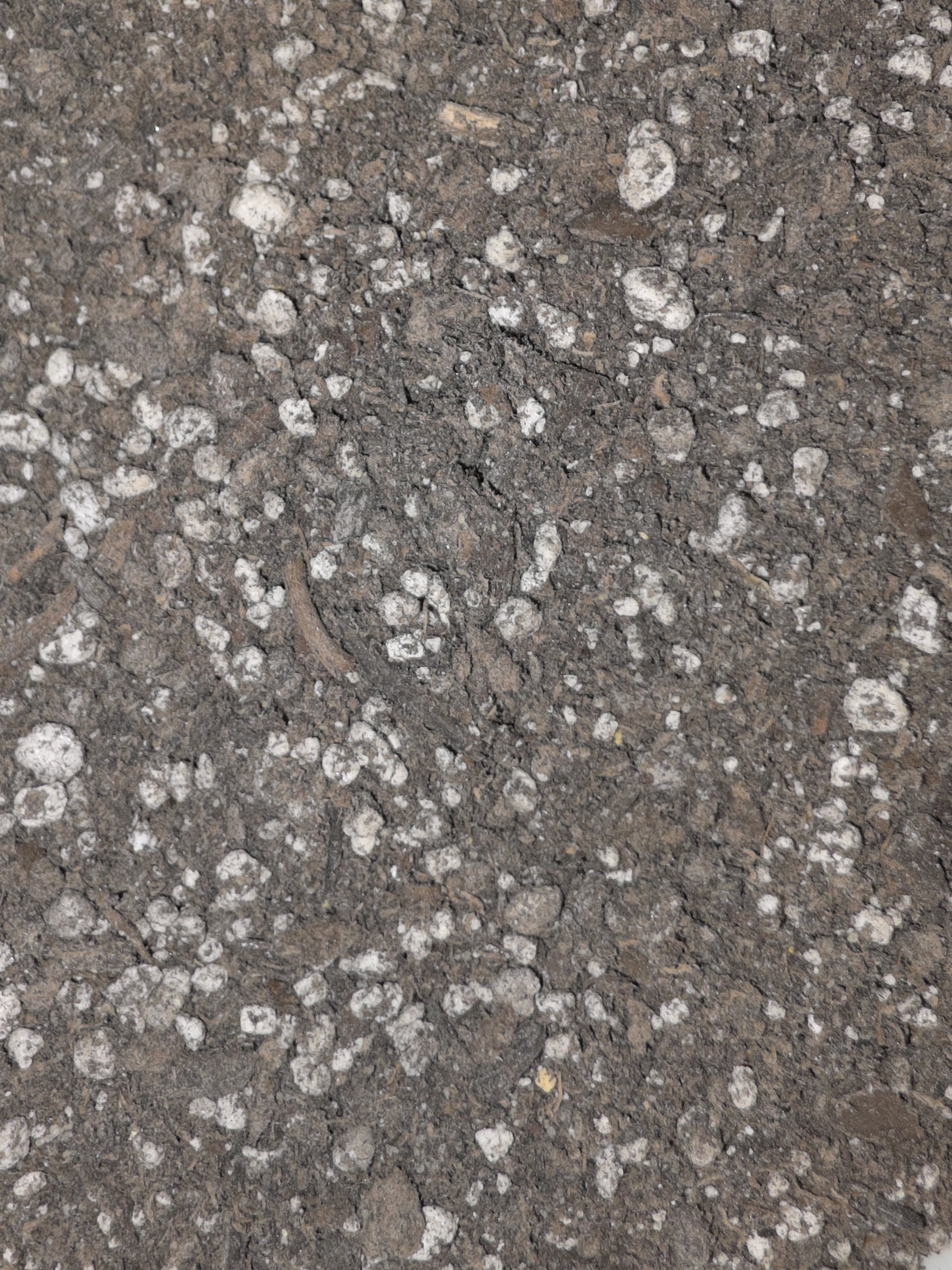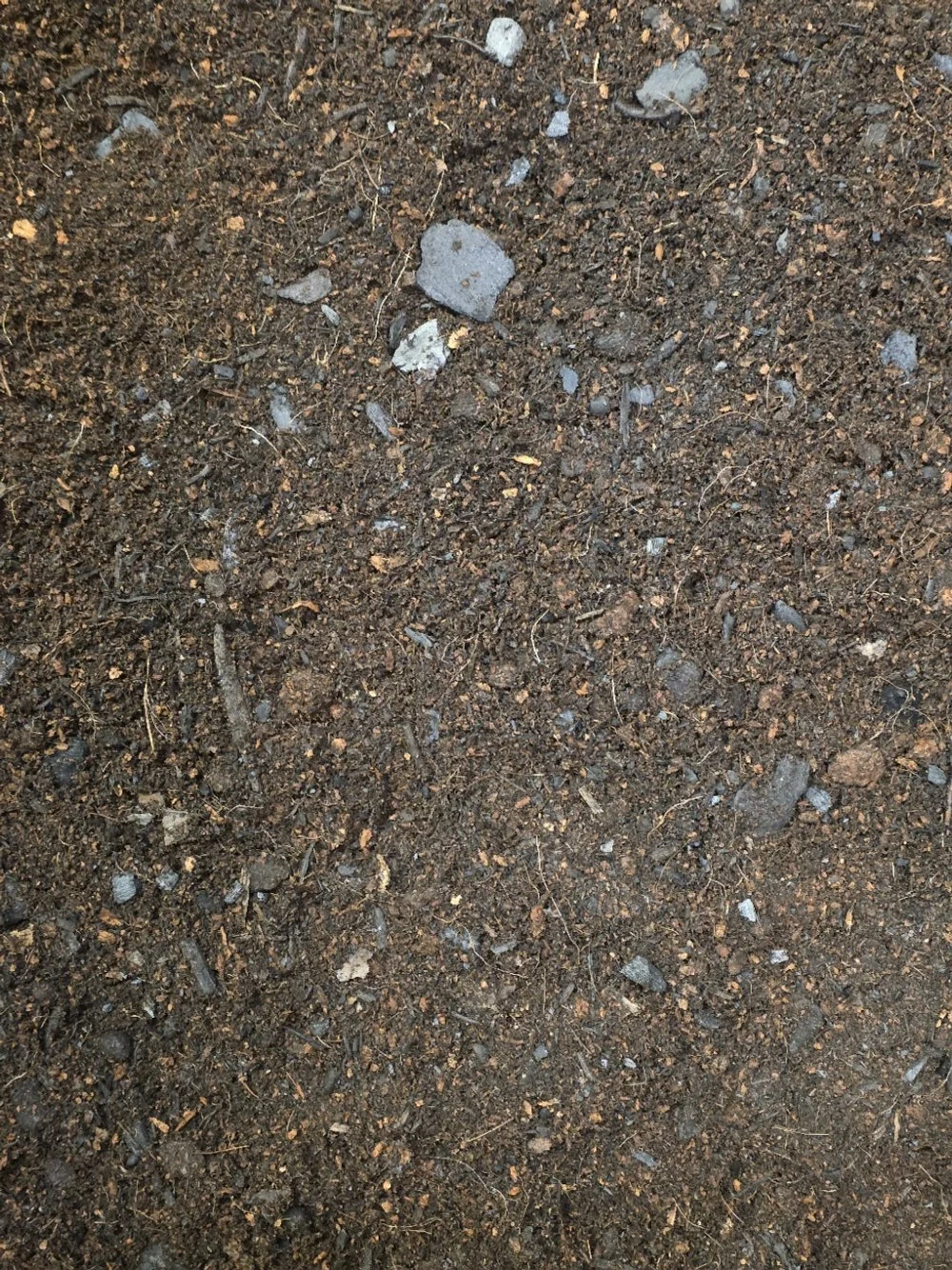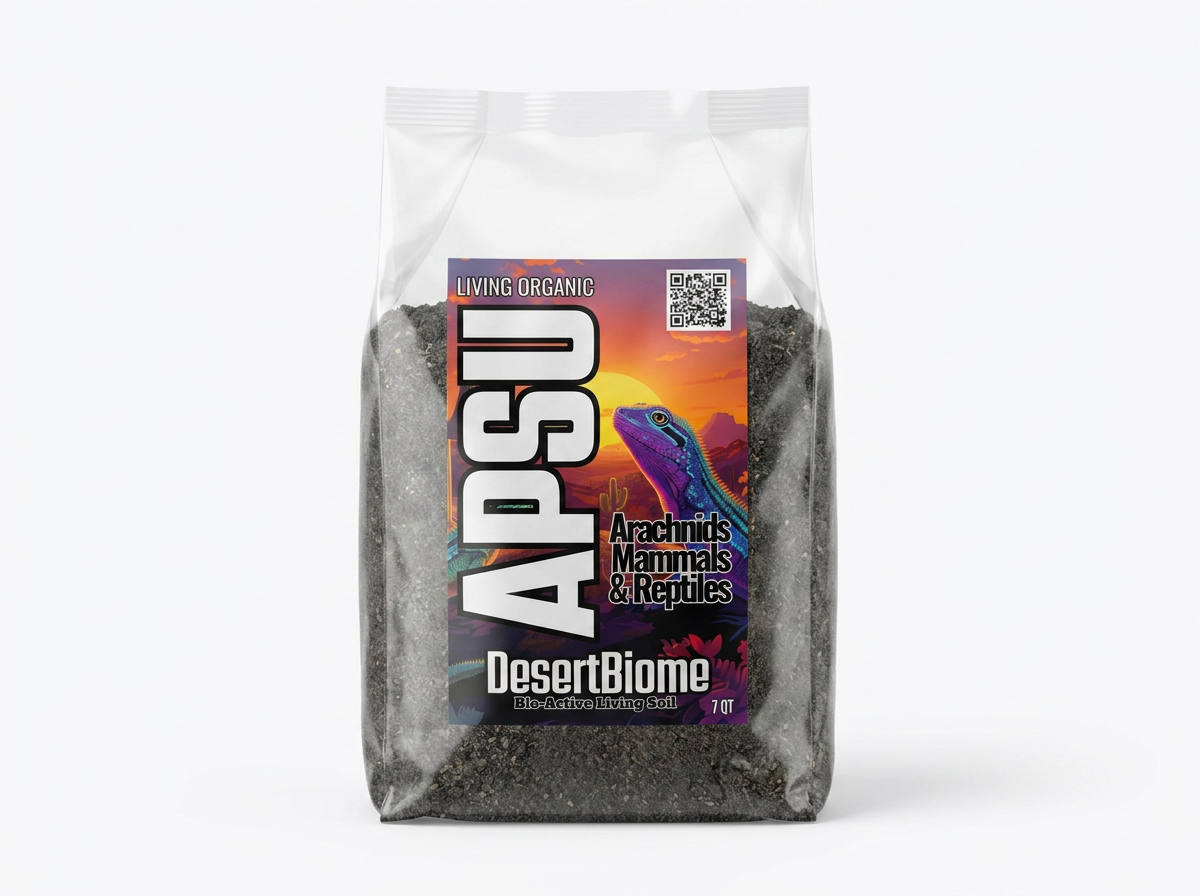
DesertBiome™ - Arid Habitat Soil

$39.99

Engineered for fast drainage, mineral structure, and low-humidity realism.

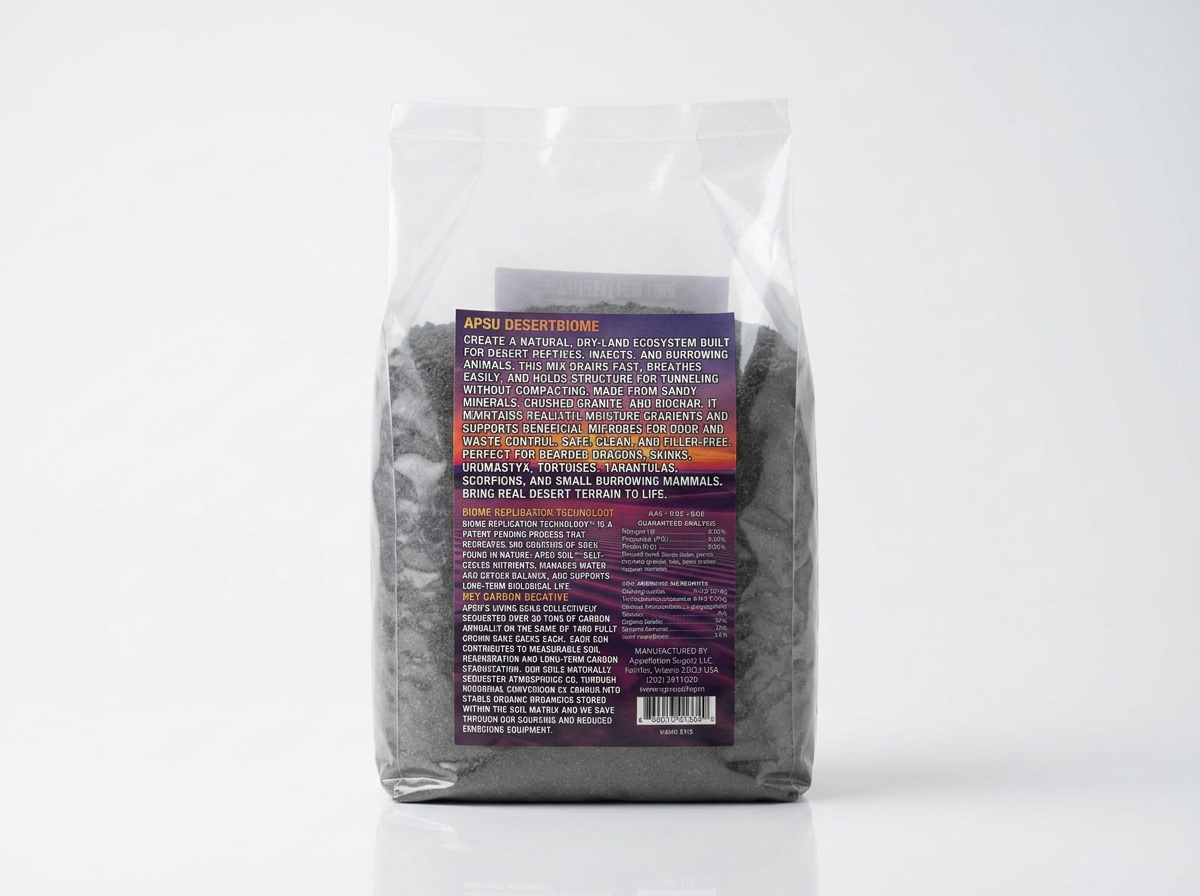
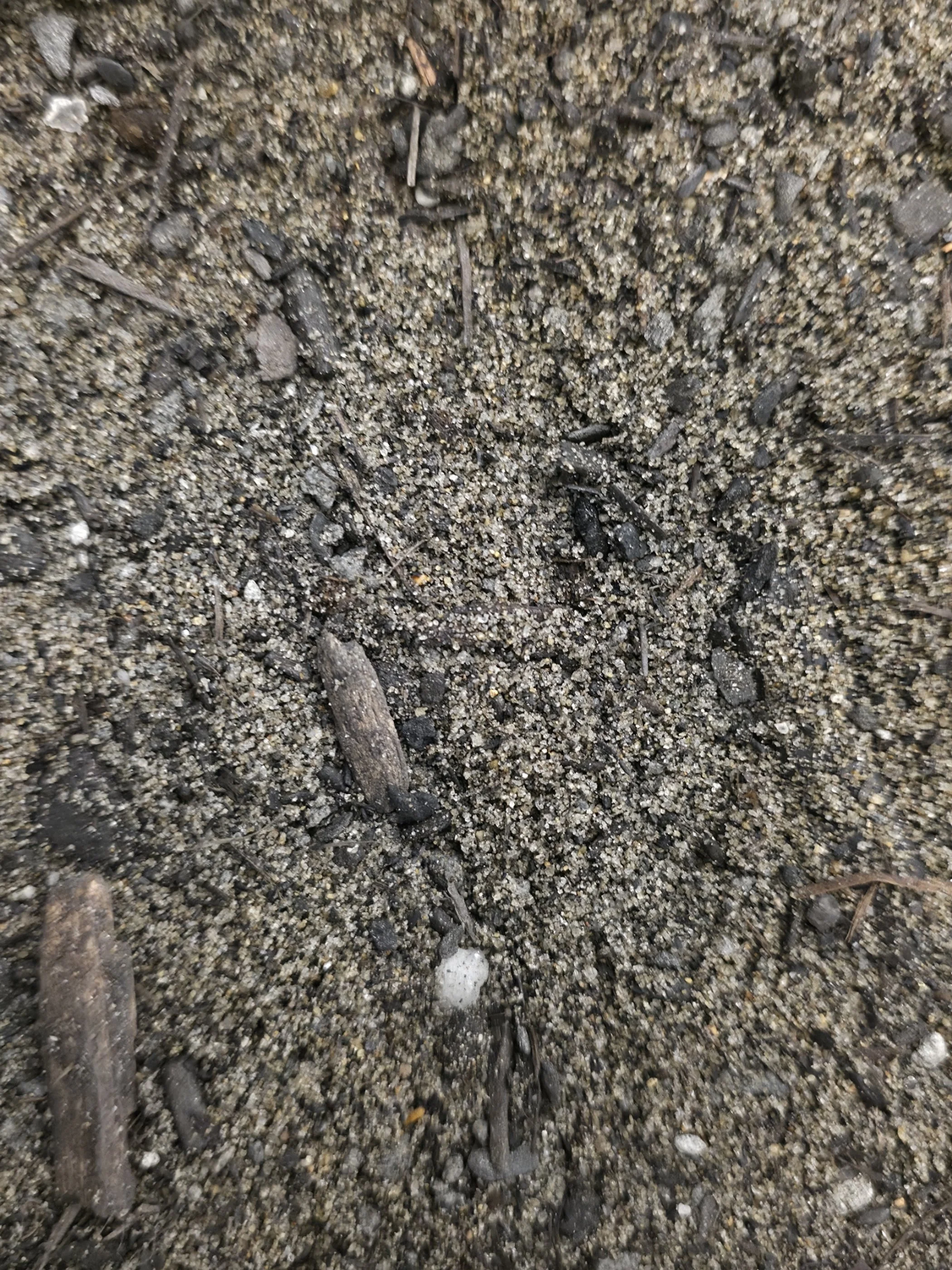
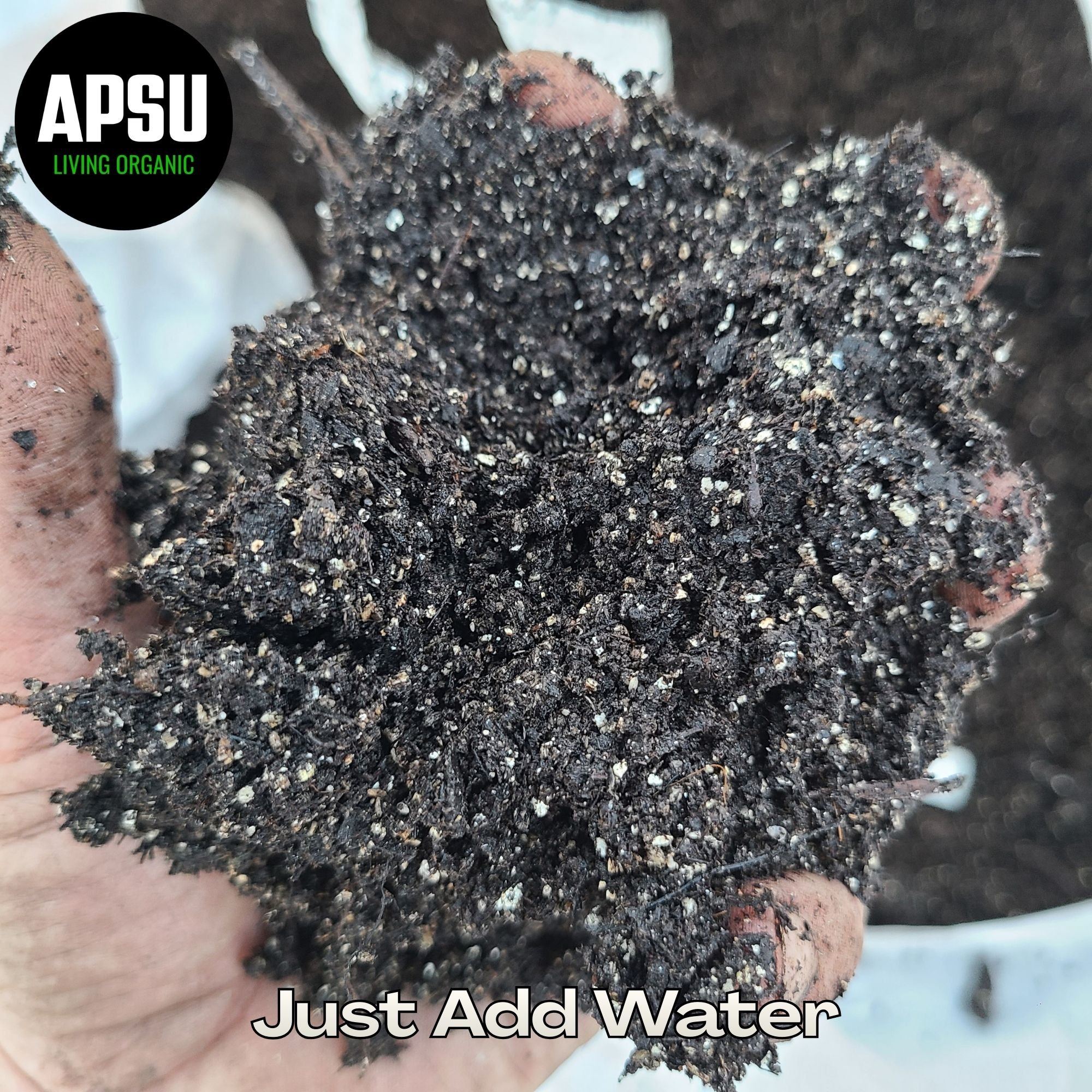
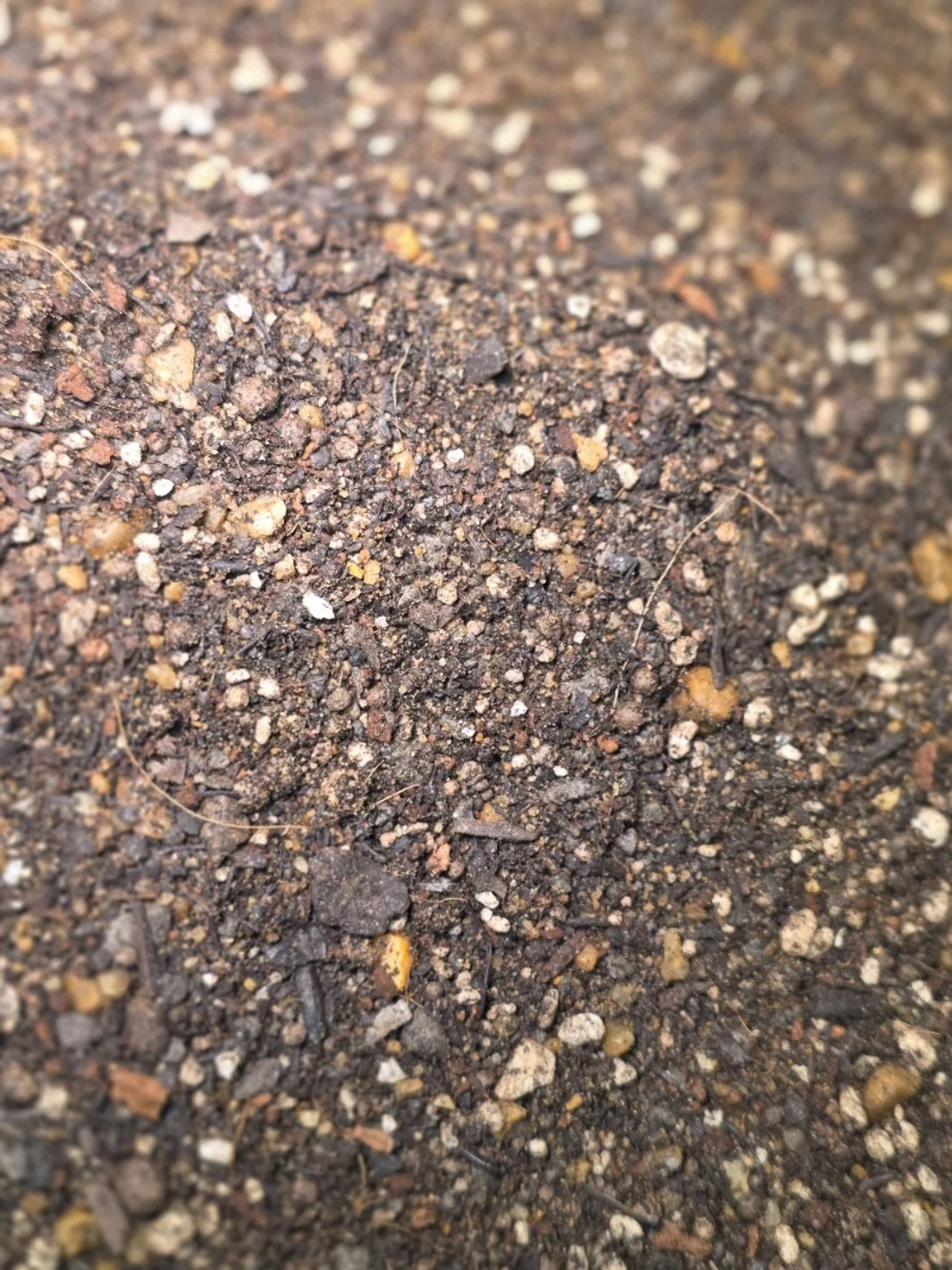
DesertBiome™ is a mineral-forward habitat soil engineered to replicate the firm, fast-draining ground of true arid ecosystems. Built for reptiles, mammals, and invertebrates that depend on low humidity and stable footing, this substrate provides structure without dust, collapse, or moisture retention.

Standard reptile sands are either too loose, too dusty, or completely biologically dead. Common soil mixes trap water and create unsafe humidity levels. DesertBiome™ balances sand, crushed granite, organic topsoil, biochar, and mineral buffers to create a breathable desert substrate that performs long-term.

Why It Works

Drainage & Stability – Sand and granite replicate compact desert soils
Low Humidity Control – Ingredients selected to avoid moisture retention
Calcium Buffering – Dolomite supports digestion and bone health
Microbial Balance – Biochar enables stable, beneficial biology
Burrowing Texture – Firm yet pliable for natural digging

Animals & insects

Bearded Dragon, Leopard Gecko, Uromastyx, Egyptian Uromastyx, Sand Boa, Banded Gecko, Desert Tortoise, Horned Lizard, Collared Lizard, Frilled Dragon, Rosy Boa, Kenyan Sand Boa, Western Hognose Snake, Sidewinder Rattlesnake, Chuckwalla, Desert Iguana, Gila Monster, Sandfish Skink, Savannah Monitor, Mongolian Gerbil, Jerboa, Kangaroo Rat, Fat-Tailed Gerbil, Spiny Mouse, Desert Hamster, Fennec Fox, Kit Fox, Rock Hyrax, Ground Squirrel, Desert Isopods, Darkling Beetles, Desert Millipedes, Desert Hairy Scorpion, Vinegaroon, Desert Tarantulas, Giant Desert Centipede, Sun Scorpion, Arizona Bark Scorpion, Sand Roaches, Sahara Ants, Desert Snails, Velvet Ant.

Plants

Desert Marigold, Desert Sand Verbena, Brittlebrush, Mojave Sage, Desert Holly, Desert Rock Daisy, Apache Plume, Desert Willow, Desert Ironwood, Palo Verde, Blue Palo Verde, Foothill Palo Verde, Blackbrush, Fourwing Saltbush, Winterfat, Atriplex Saltbush, Shadscale, Alkali Sacaton, Nevada Ephedra, Desert Broom, Bladderpod, Fairy Duster, Baja Fairy Duster, Chuparosa, Desert Lavender, Desert Trumpet, Paperflower, Indigo Bush, Catclaw Mimosa, Chia Sage, Woolly Hopsage, Spiny Hopsage, Desert Peach, Cliff Fendlerbush, White Bursage, Burrobrush, Creosote Groundcover Types, Paperbag Bush, Desert Senna, Desert Princesplume, Desert Blazingstar, Evening Primrose (desert form), Desert Evening Primrose, Ghost Flower, Desert Five Spot, Mojave Aster, Desert Globemallow (non overlapping strain), Desert Mallow, Desert Zinnia, Desert Paintbrush, Mojave Poppy, Desert Poppy, Desert Gold Sunflower, Desert Sunflower, Yellow Dot Daisy, Ghost Goldeneye, Tansy Aster (arid), Desert Chicory, Wild Heliotrope (desert type), Desert Checkerbloom, Desert Penstemon, Parry Penstemon, Desert Princes Plume, Desert Canterbury Bells, Desert Tidy Tips, Blazingstar, Desert Lily (Panamint), Sand Verbena Bush, Sand Mat, Skeleton Weed, Turpentine Bush, Range Ratany, Thistle Sage, Cheesebush, Desert Almond, Desert Peach, Desert Thorn, Wolfberry, Graythorn, Range Ratany, Sand Sagebrush, Desert Dropseed, Sand Dropseed, Indian Ricegrass, Sideoats Grama (dryland form), Needlegrass (desert type), Desert Needlegrass, Sand Bluestem, Desert Saltgrass, Crested Wheatgrass (arid), Desert Melic Grass, Littleleaf Mountain Mahogany, Torrey Yucca seedling stage only (not adult overlap), Desert Trumpet, Wild Desert Carrot, Desert Parsley, Sand Lettuce, Wild Gourd, Coyote Melon, Tumbleweed Russian Thistle, Golden Eye, Goldenwild Aster, Desert Dandelion, Blazing Star, Desert Dozedaisy.


Biome Replication Technology™

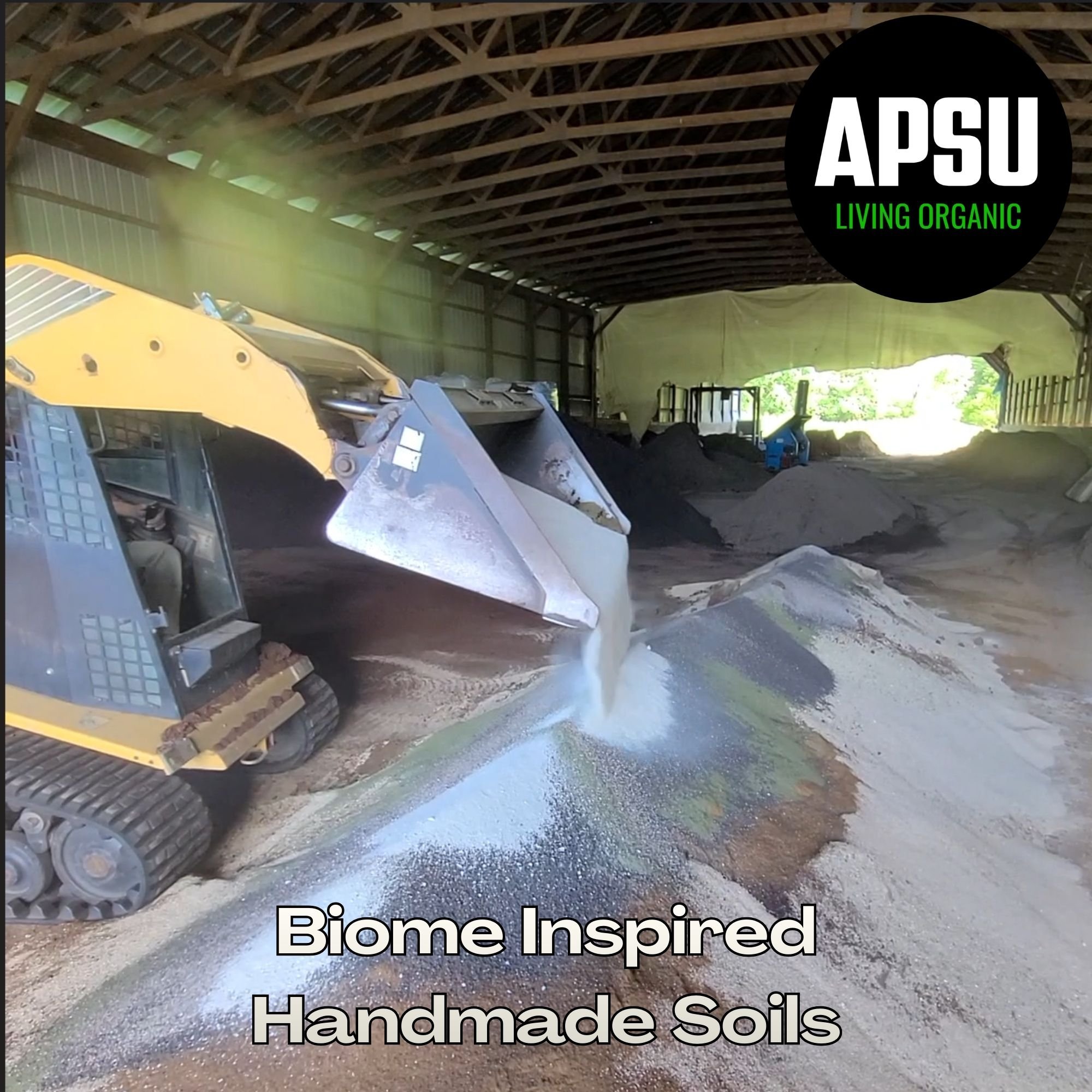
APSU Soil™ models the physical structure of desert ecosystems — producing mineral-accurate substrates that self-regulate moisture and remain stable over time.

Engineered for fast drainage, mineral structure, and low-humidity realism.

DesertBiome™ is a mineral-forward habitat soil engineered to replicate the firm, fast-draining ground of true arid ecosystems. Built for reptiles, mammals, and invertebrates that depend on low humidity and stable footing, this substrate provides structure without dust, collapse, or moisture retention.

Standard reptile sands are either too loose, too dusty, or completely biologically dead. Common soil mixes trap water and create unsafe humidity levels. DesertBiome™ balances sand, crushed granite, organic topsoil, biochar, and mineral buffers to create a breathable desert substrate that performs long-term.

Why It Works

Drainage & Stability – Sand and granite replicate compact desert soils
Low Humidity Control – Ingredients selected to avoid moisture retention
Calcium Buffering – Dolomite supports digestion and bone health
Microbial Balance – Biochar enables stable, beneficial biology
Burrowing Texture – Firm yet pliable for natural digging

Animals & insects

Bearded Dragon, Leopard Gecko, Uromastyx, Egyptian Uromastyx, Sand Boa, Banded Gecko, Desert Tortoise, Horned Lizard, Collared Lizard, Frilled Dragon, Rosy Boa, Kenyan Sand Boa, Western Hognose Snake, Sidewinder Rattlesnake, Chuckwalla, Desert Iguana, Gila Monster, Sandfish Skink, Savannah Monitor, Mongolian Gerbil, Jerboa, Kangaroo Rat, Fat-Tailed Gerbil, Spiny Mouse, Desert Hamster, Fennec Fox, Kit Fox, Rock Hyrax, Ground Squirrel, Desert Isopods, Darkling Beetles, Desert Millipedes, Desert Hairy Scorpion, Vinegaroon, Desert Tarantulas, Giant Desert Centipede, Sun Scorpion, Arizona Bark Scorpion, Sand Roaches, Sahara Ants, Desert Snails, Velvet Ant.

Plants

Desert Marigold, Desert Sand Verbena, Brittlebrush, Mojave Sage, Desert Holly, Desert Rock Daisy, Apache Plume, Desert Willow, Desert Ironwood, Palo Verde, Blue Palo Verde, Foothill Palo Verde, Blackbrush, Fourwing Saltbush, Winterfat, Atriplex Saltbush, Shadscale, Alkali Sacaton, Nevada Ephedra, Desert Broom, Bladderpod, Fairy Duster, Baja Fairy Duster, Chuparosa, Desert Lavender, Desert Trumpet, Paperflower, Indigo Bush, Catclaw Mimosa, Chia Sage, Woolly Hopsage, Spiny Hopsage, Desert Peach, Cliff Fendlerbush, White Bursage, Burrobrush, Creosote Groundcover Types, Paperbag Bush, Desert Senna, Desert Princesplume, Desert Blazingstar, Evening Primrose (desert form), Desert Evening Primrose, Ghost Flower, Desert Five Spot, Mojave Aster, Desert Globemallow (non overlapping strain), Desert Mallow, Desert Zinnia, Desert Paintbrush, Mojave Poppy, Desert Poppy, Desert Gold Sunflower, Desert Sunflower, Yellow Dot Daisy, Ghost Goldeneye, Tansy Aster (arid), Desert Chicory, Wild Heliotrope (desert type), Desert Checkerbloom, Desert Penstemon, Parry Penstemon, Desert Princes Plume, Desert Canterbury Bells, Desert Tidy Tips, Blazingstar, Desert Lily (Panamint), Sand Verbena Bush, Sand Mat, Skeleton Weed, Turpentine Bush, Range Ratany, Thistle Sage, Cheesebush, Desert Almond, Desert Peach, Desert Thorn, Wolfberry, Graythorn, Range Ratany, Sand Sagebrush, Desert Dropseed, Sand Dropseed, Indian Ricegrass, Sideoats Grama (dryland form), Needlegrass (desert type), Desert Needlegrass, Sand Bluestem, Desert Saltgrass, Crested Wheatgrass (arid), Desert Melic Grass, Littleleaf Mountain Mahogany, Torrey Yucca seedling stage only (not adult overlap), Desert Trumpet, Wild Desert Carrot, Desert Parsley, Sand Lettuce, Wild Gourd, Coyote Melon, Tumbleweed Russian Thistle, Golden Eye, Goldenwild Aster, Desert Dandelion, Blazing Star, Desert Dozedaisy.


Biome Replication Technology™

APSU Soil™ models the physical structure of desert ecosystems — producing mineral-accurate substrates that self-regulate moisture and remain stable over time.

Desert Biome™ – Frequently Asked Questions

What is Desert Biome™ soil?

Desert Biome™ is a habitat soil engineered to replicate arid and semi-arid desert ground. It prioritizes drainage, structural stability, and low moisture retention while remaining safe for burrowing species and bioactive systems.

What animals is Desert Biome™ best for?

Desert Biome™ is ideal for:

  • Bearded dragons and Uromastyx

  • Leopard geckos and African fat-tailed geckos

  • Horned lizards and other arid reptiles

  • Desert amphibians with dry-season tolerance

  • Isopods, darkling beetles, and arid clean-up crews

Is Desert Biome™ safe for bioactive enclosures?

Yes. Desert Biome™ supports arid-adapted microfauna while preventing humidity spikes and mold—common failures of sand-only substrates.

Why isn’t Desert Biome™ just sand?

Pure sand collapses, compacts, and offers no biological function. Desert Biome™ integrates mineral diversity and organic structure to allow burrowing, waste breakdown, and long-term enclosure stability.

Does Desert Biome™ hold moisture?

Very minimally—by design.
It allows brief hydration after misting or rainfall simulation, then dries efficiently to prevent damp pockets and bacterial growth.

Does it compact over time?

No. The granular structure resists compaction even under repeated movement, digging, and spot hydration.

Can reptiles dig and burrow safely in this soil?

Yes. Desert Biome™ holds burrow walls without collapsing while remaining soft enough to prevent claw, jaw, or scale injuries.

Can live plants grow in Desert Biome™?

Yes, when paired with arid-adapted species such as:

  • Grasses

  • Aloe

  • Yucca

  • Desert shrubs and succulents

Heavy feeders or tropical plants are not recommended without amendment.

Does Desert Biome™ contain fertilizers or chemicals?

No. It contains no synthetic fertilizers, pesticides, or salts, making it safe for sensitive reptiles and invertebrates.

Does this substrate need to be baked or sterilized?

No. Desert Biome™ is ready to use as shipped. Sterilization is not recommended, as it disrupts natural soil function.

How long does Desert Biome™ last in an enclosure?

In a bioactive setup, Desert Biome™ can last years with spot cleaning and occasional surface refreshes.

Can Desert Biome™ be mixed with other substrates?

Yes. It pairs well with:

  • Crushed leaf litter for microfauna

  • Coarser sand for added drainage

  • Gravel or stone layers for structural zones

Is Desert Biome™ safe if accidentally ingested?

While ingestion should always be discouraged, Desert Biome™ does not rely on sharp quartz sand and is safer than many loose-sand substrates.

Where is Desert Biome™ made?

Desert Biome™ is blended in Virginia using regionally sourced materials and APSU Soil™ biome replication standards.

Why choose Desert Biome™ over generic “desert sand”?

Because Desert Biome™ is:

  • Structurally stable, not collapsing

  • Low-moisture but biologically functional

  • Safer for burrowing animals

  • Designed for reuse and long-term health

It is a desert ecosystem substrate, not decorative sand.

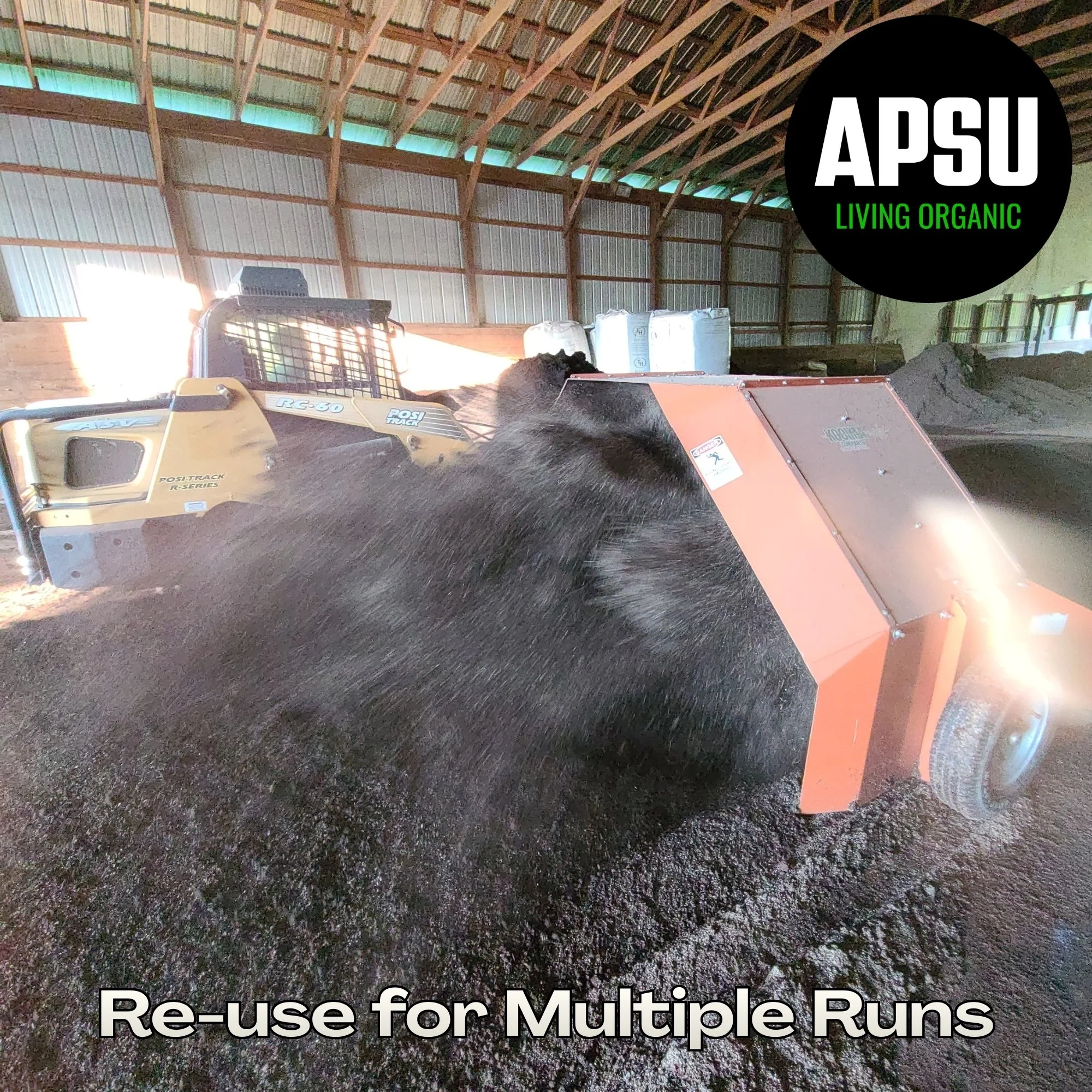
Can Desert Biome™ be reused?

Yes. Desert Biome™ follows APSU Soil’s system philosophy:
Repair. Recharge. Reuse.