Find Your Soil
Type your plant or animal into the search, and we’ll show you the right soil.
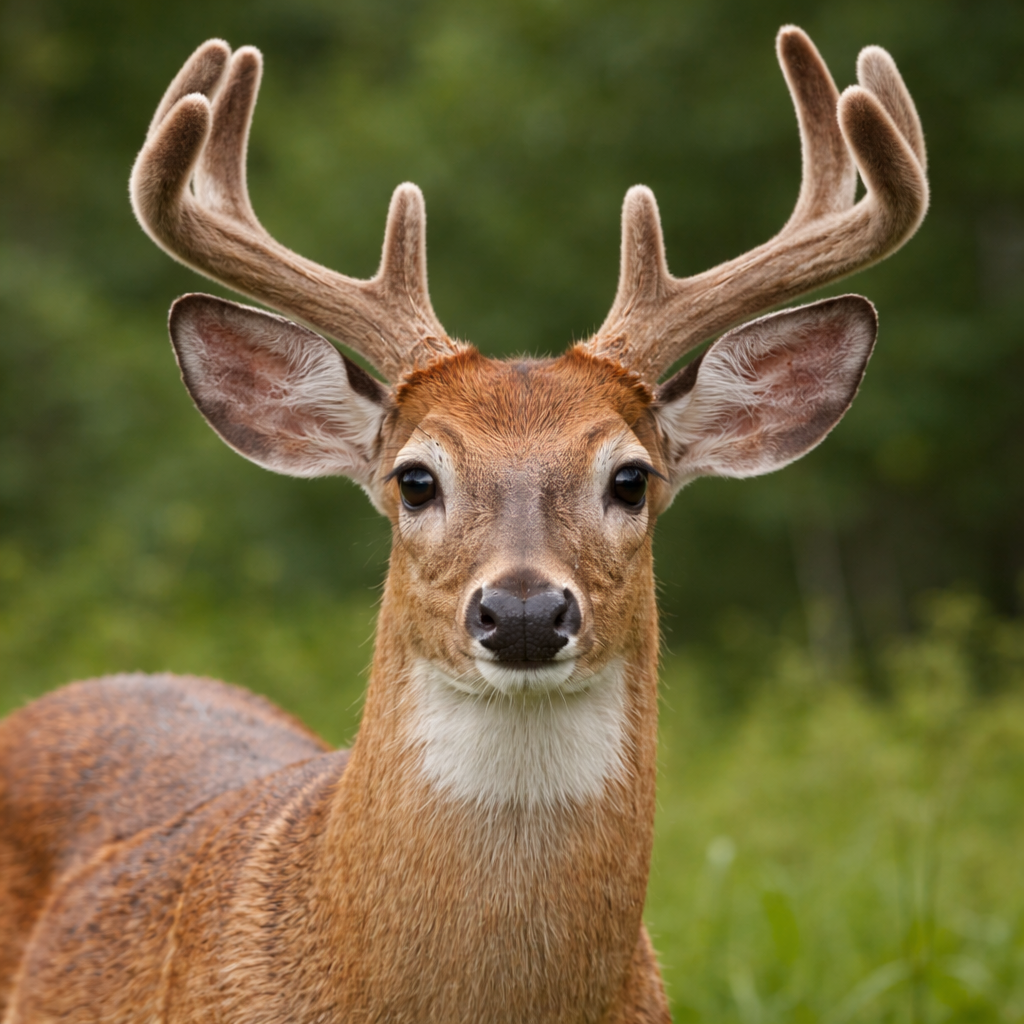
Deer
Identification: Large herbivorous mammals that browse on leaves, stems, buds, and young shoots. Damage is often uneven or torn (not cleanly cut), with plants stripped overnight. Common targets include hostas, roses, shrubs, fruit trees, and vegetable crops.
Symptoms: Missing foliage, broken stems, stunted growth, repeated damage in the same area, visible tracks or droppings nearby.
Control:
Physical Barriers: Install deer fencing (7–8 ft tall) or use garden netting and cages around vulnerable plants. This is the most reliable method.
Repellents: Apply commercial or homemade deer repellents (egg-based, garlic, capsaicin). Reapply after rain.
Scent Deterrents: Use predator scents, human hair, or strongly scented soaps hung near plants to discourage browsing.
Companion / Deterrent Plants: Plant deer-resistant species like lavender, rosemary, sage, mint, marigolds, or ornamental alliums.
Habitat Management: Remove attractants such as fallen fruit and keep edges trimmed to reduce cover and feeding comfort.
If you want, I can standardize this into a full APSU IPM-style pest database format so aphids, deer, rabbits, mites, etc. all read consistently across your site.